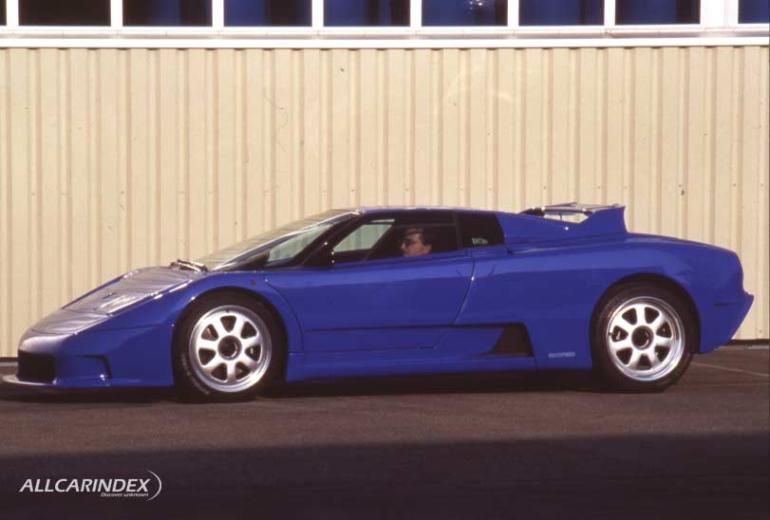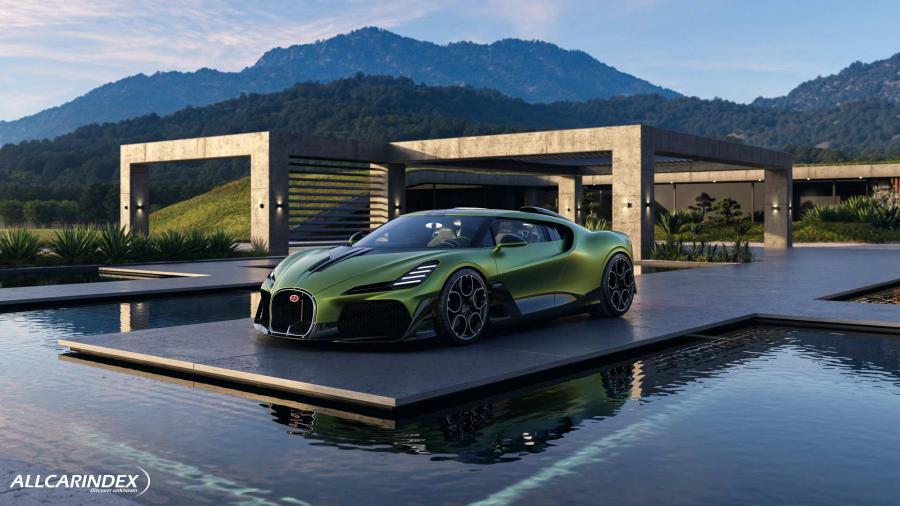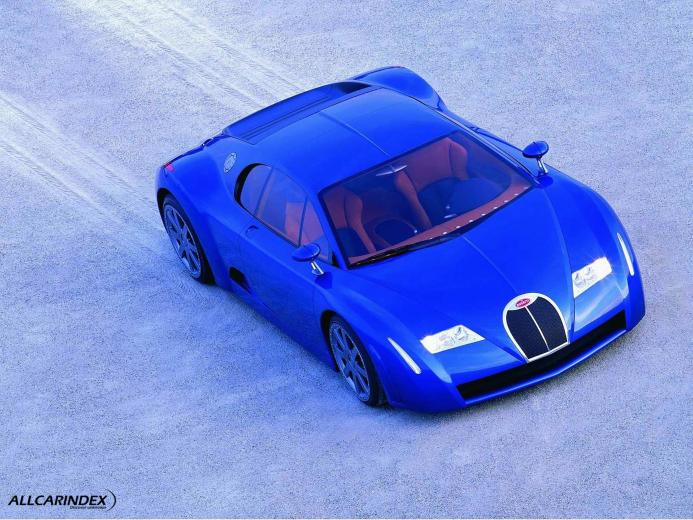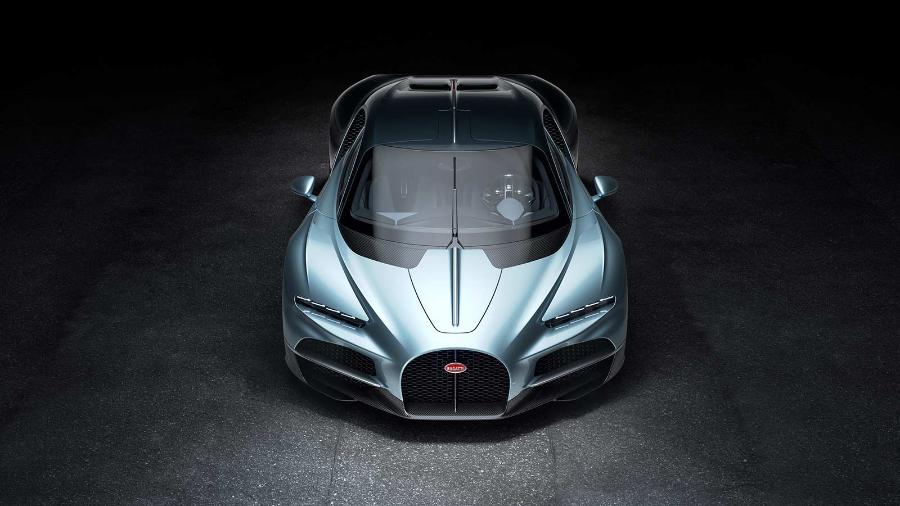
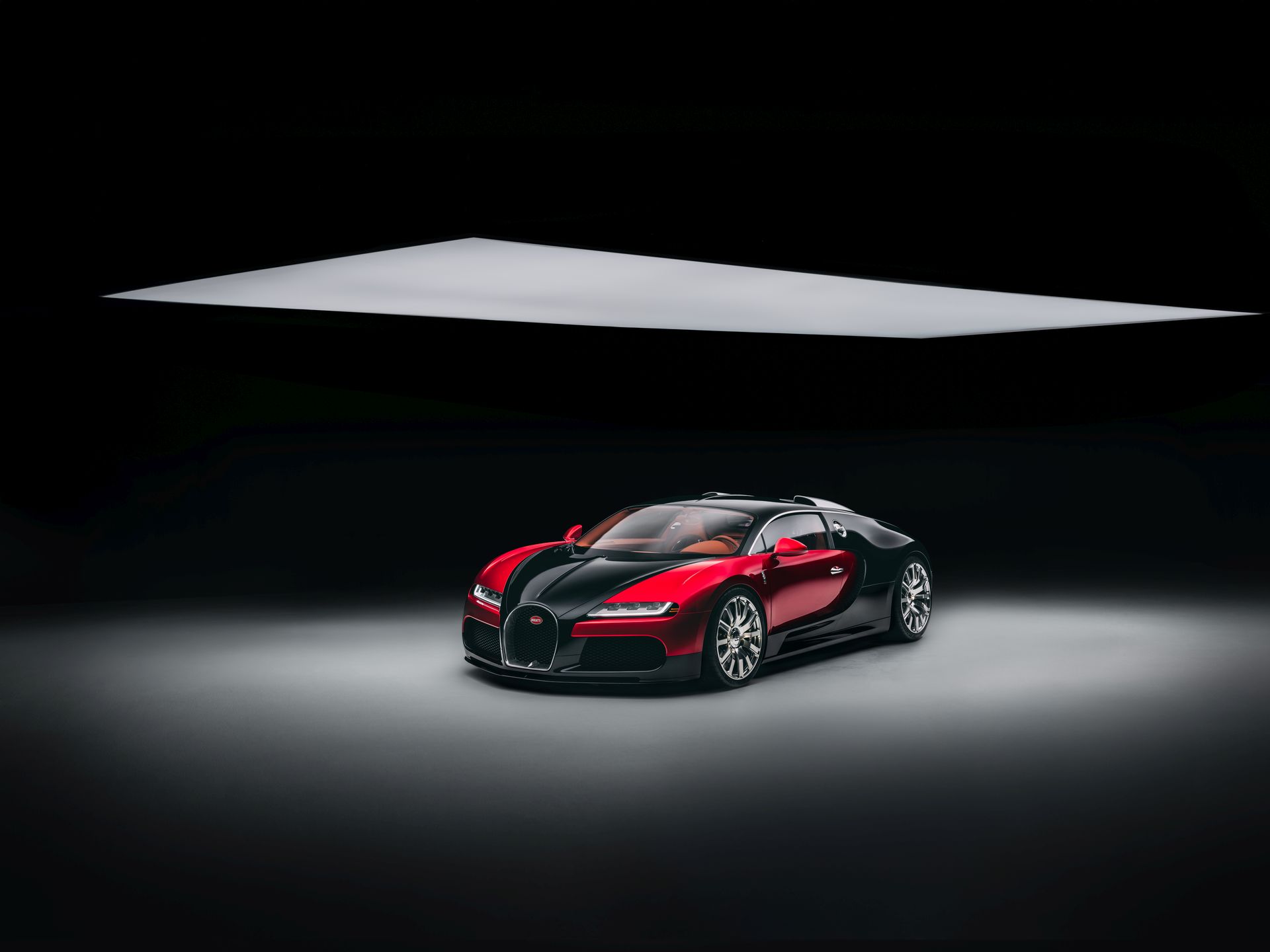
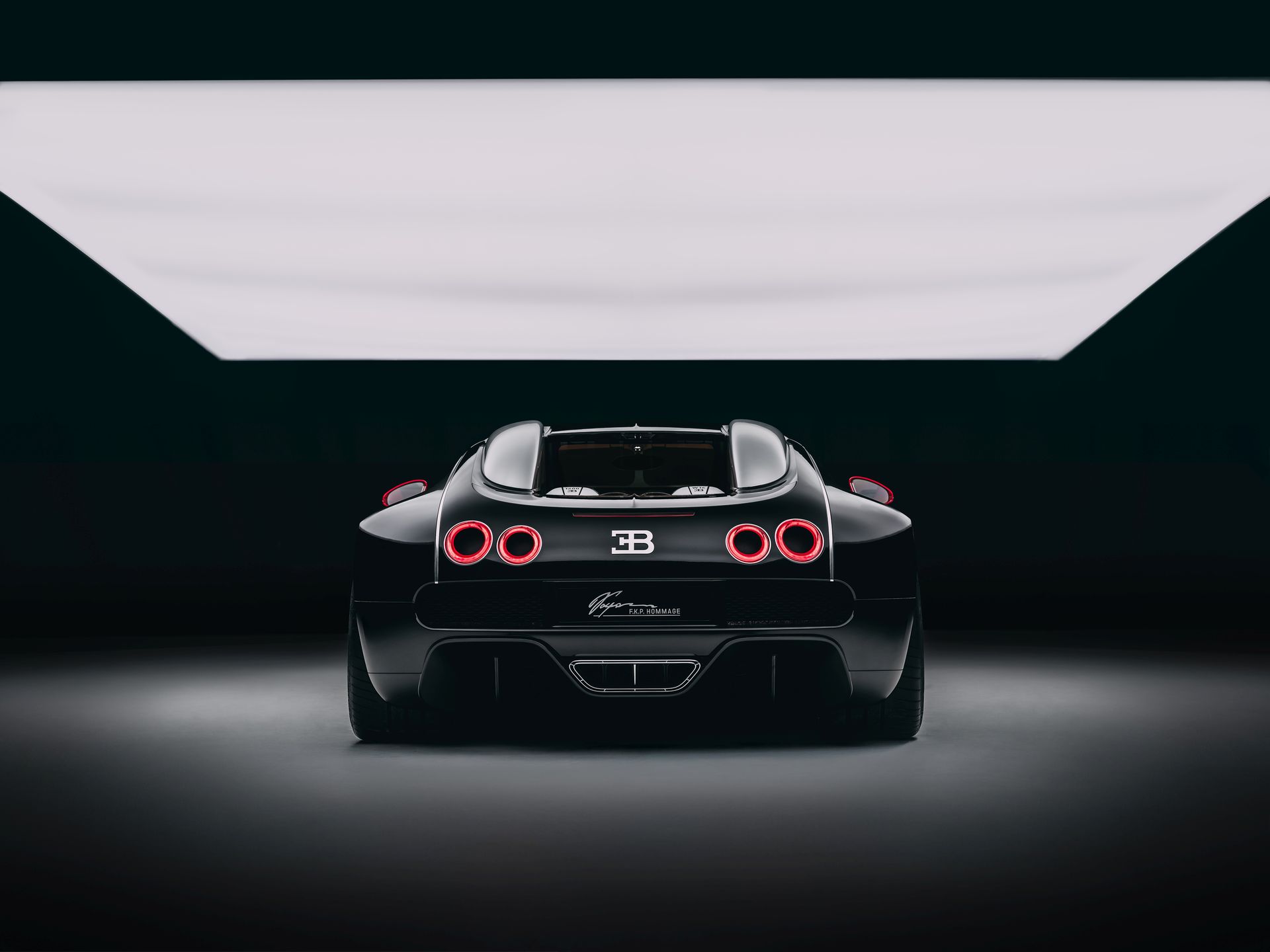
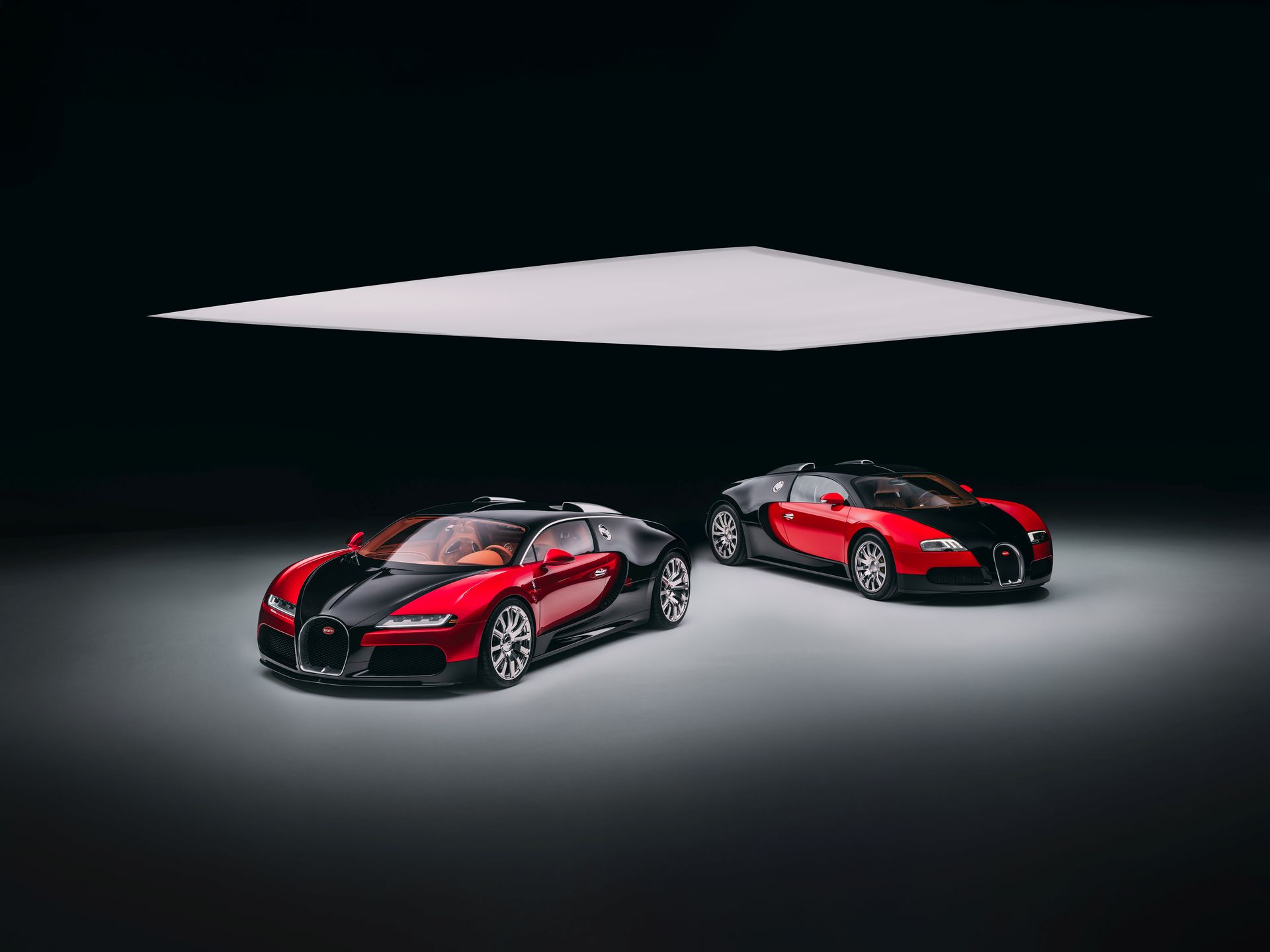
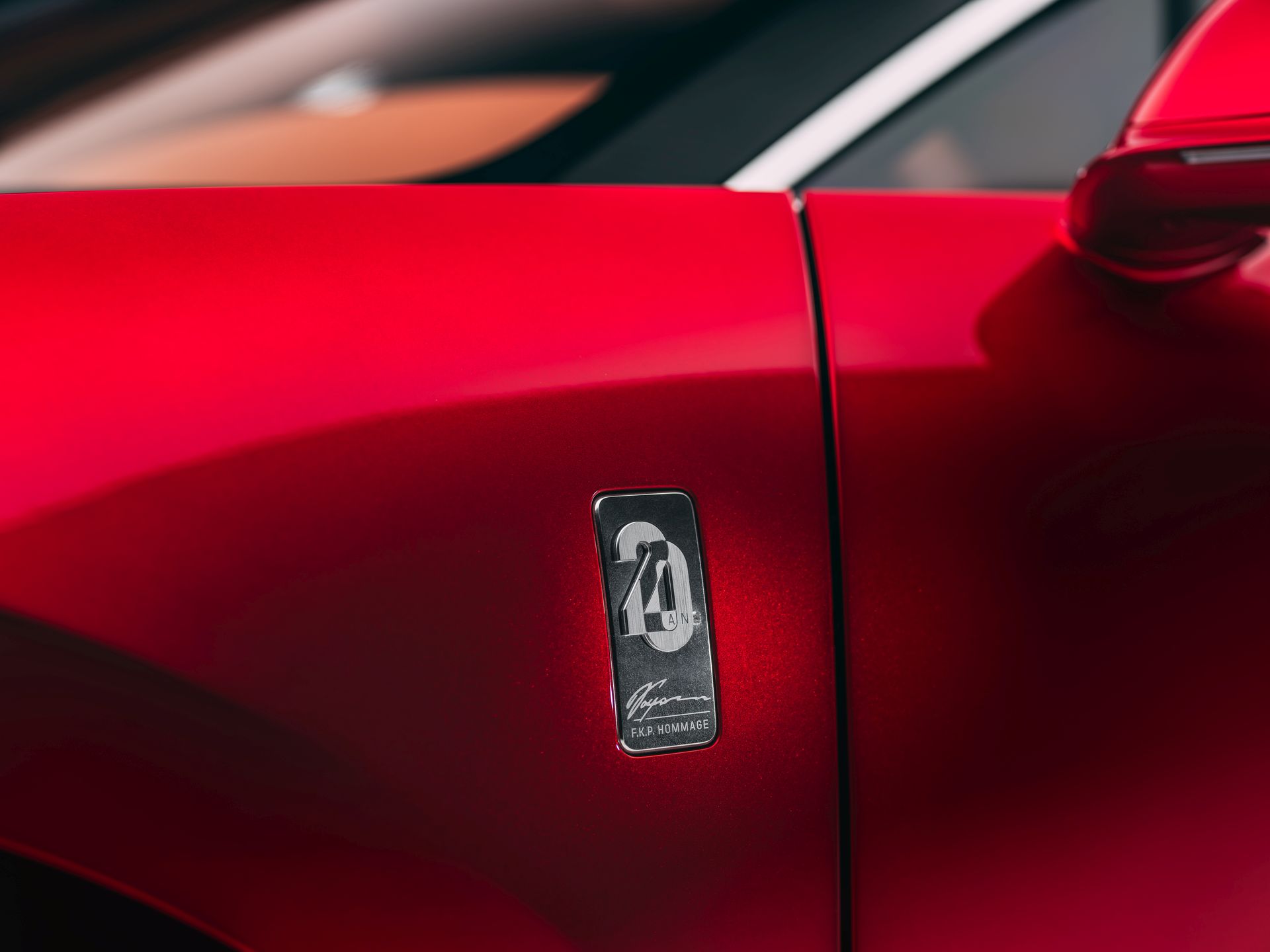
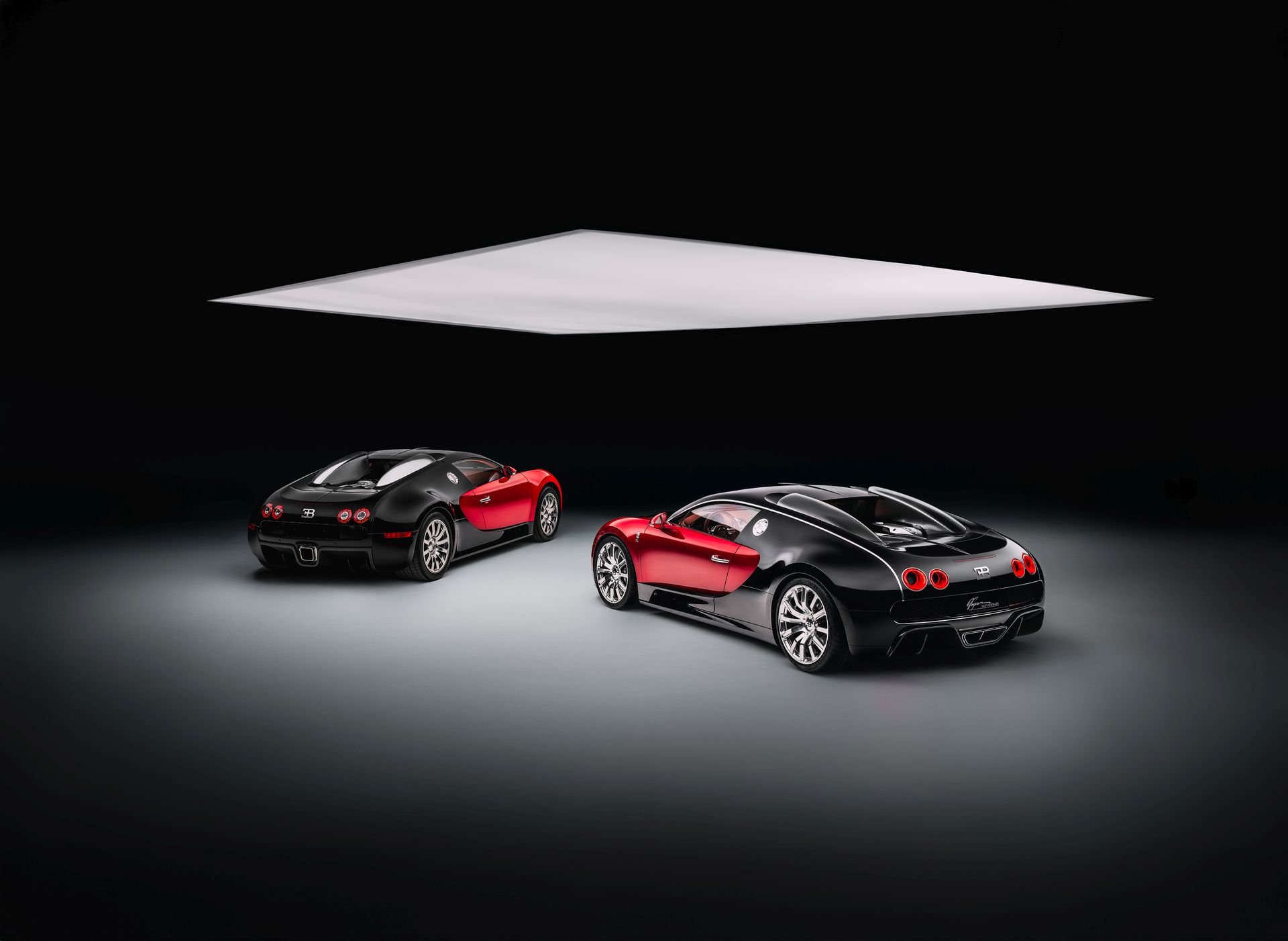
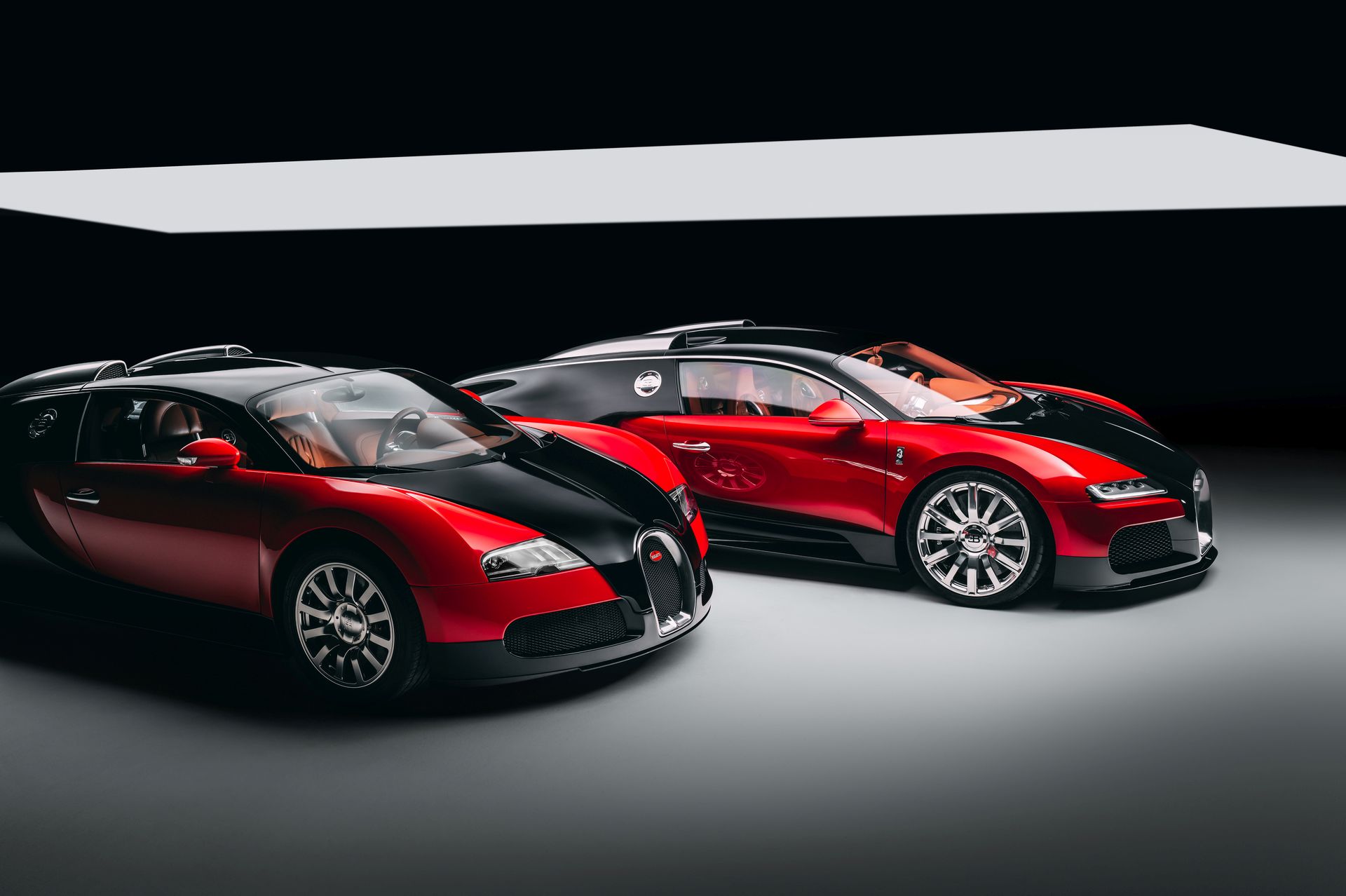
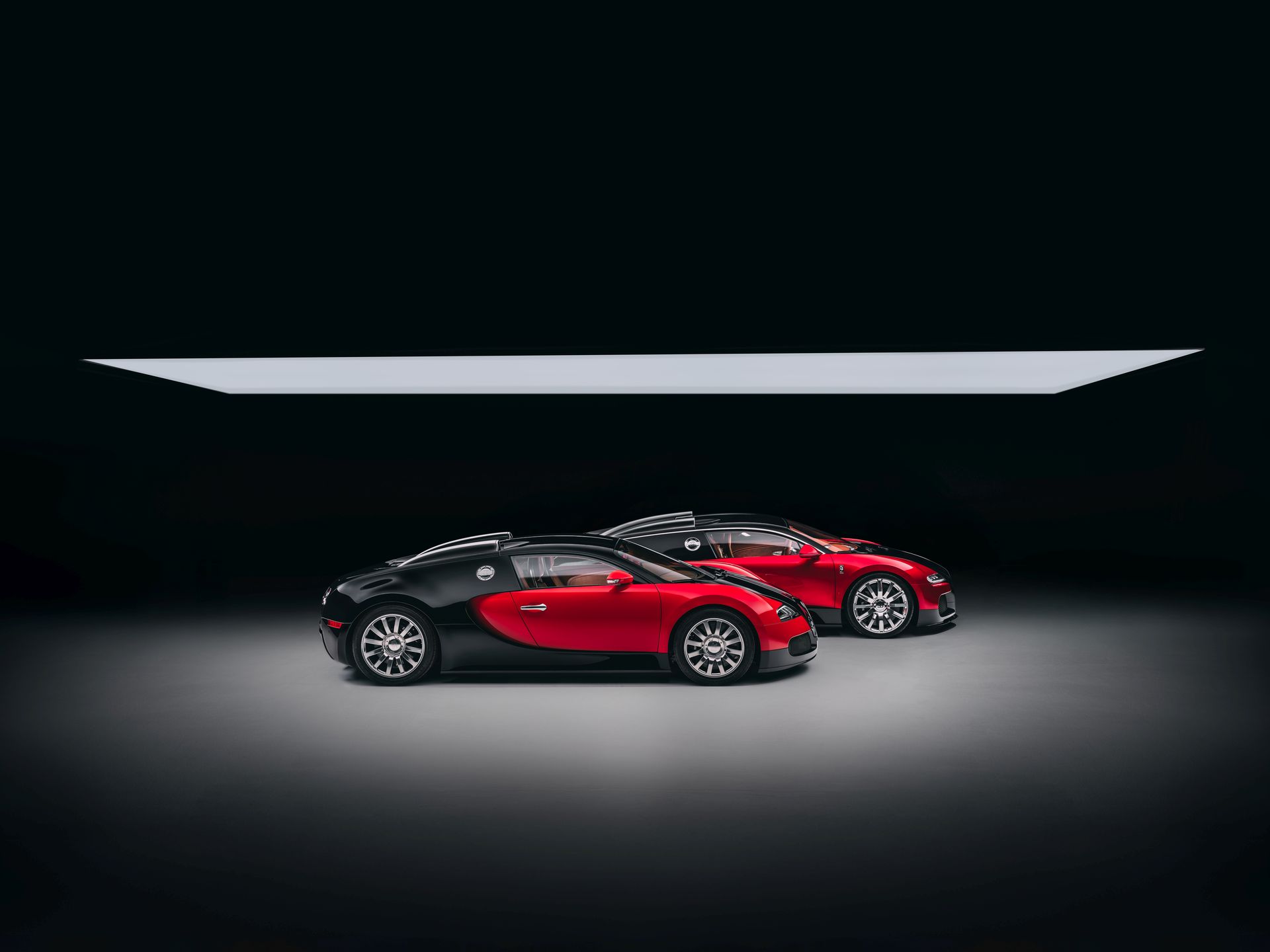
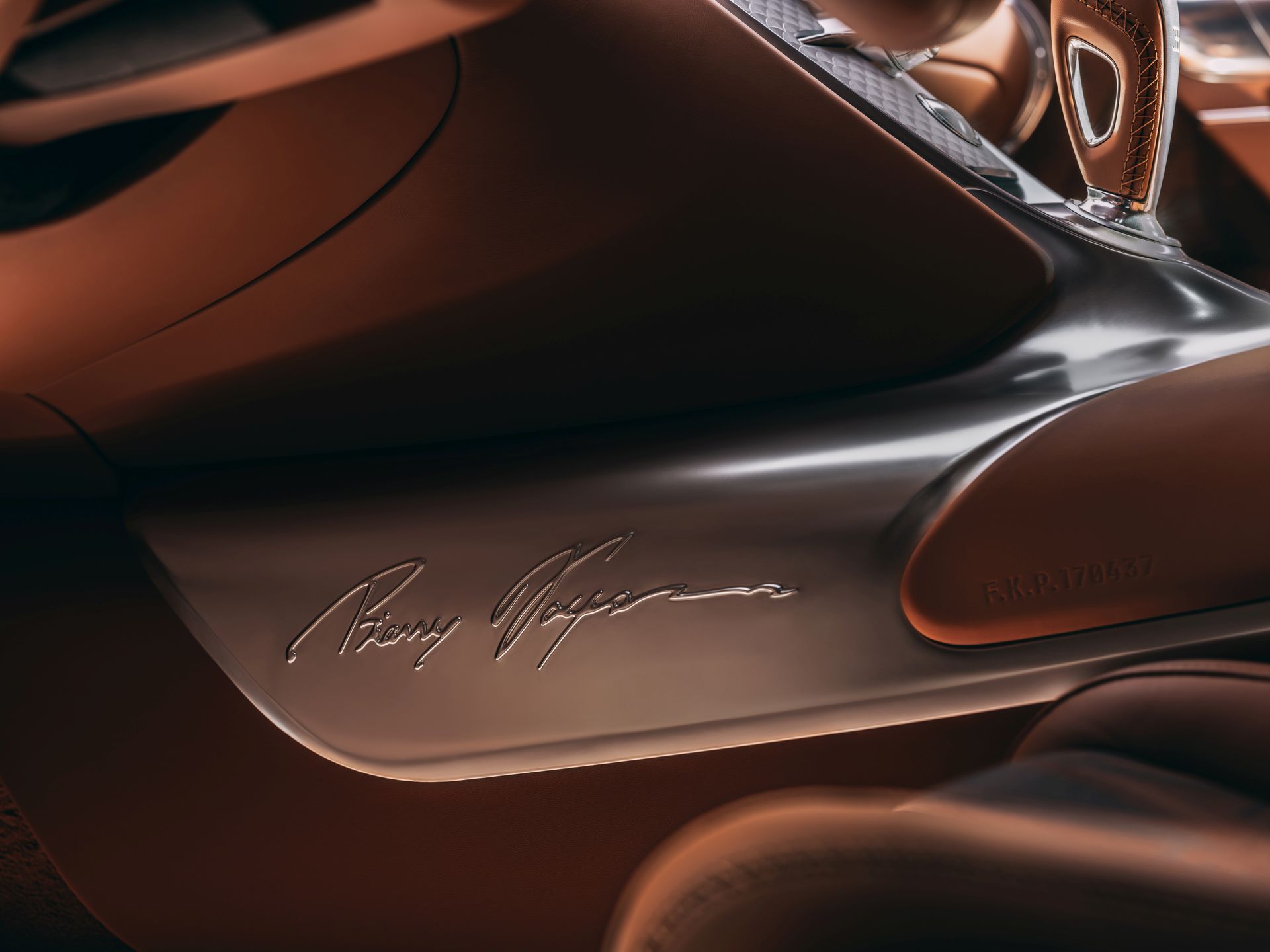
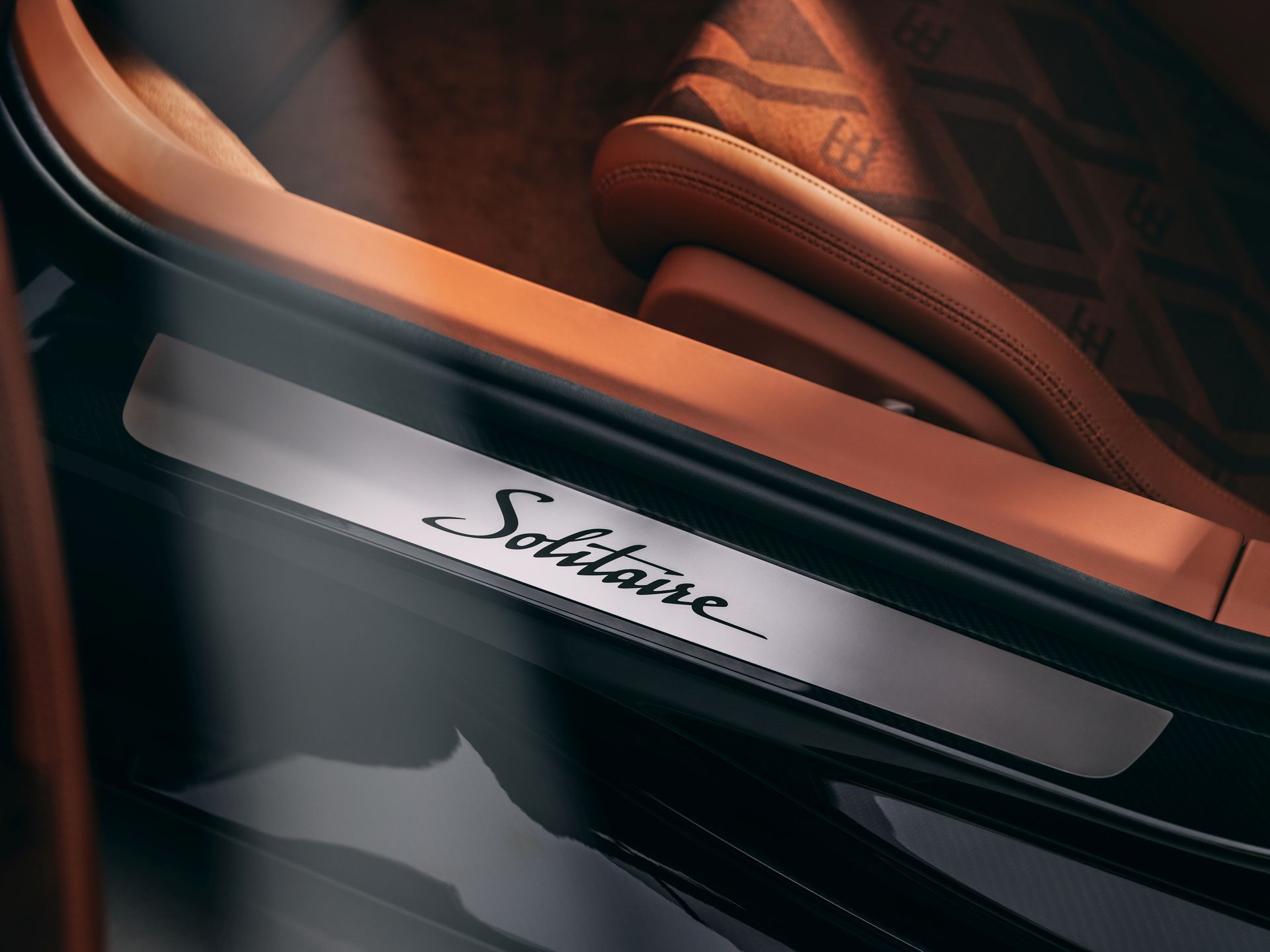
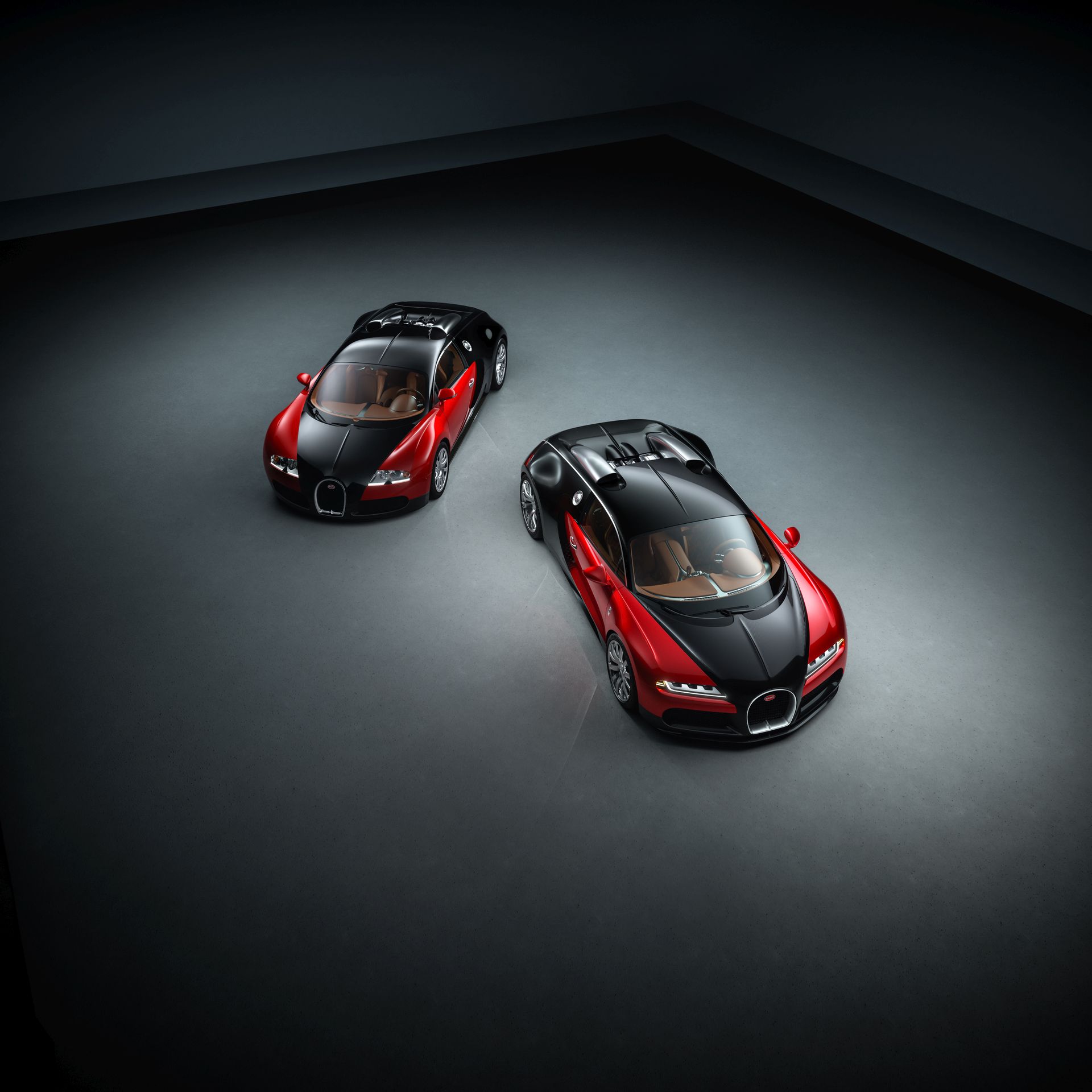
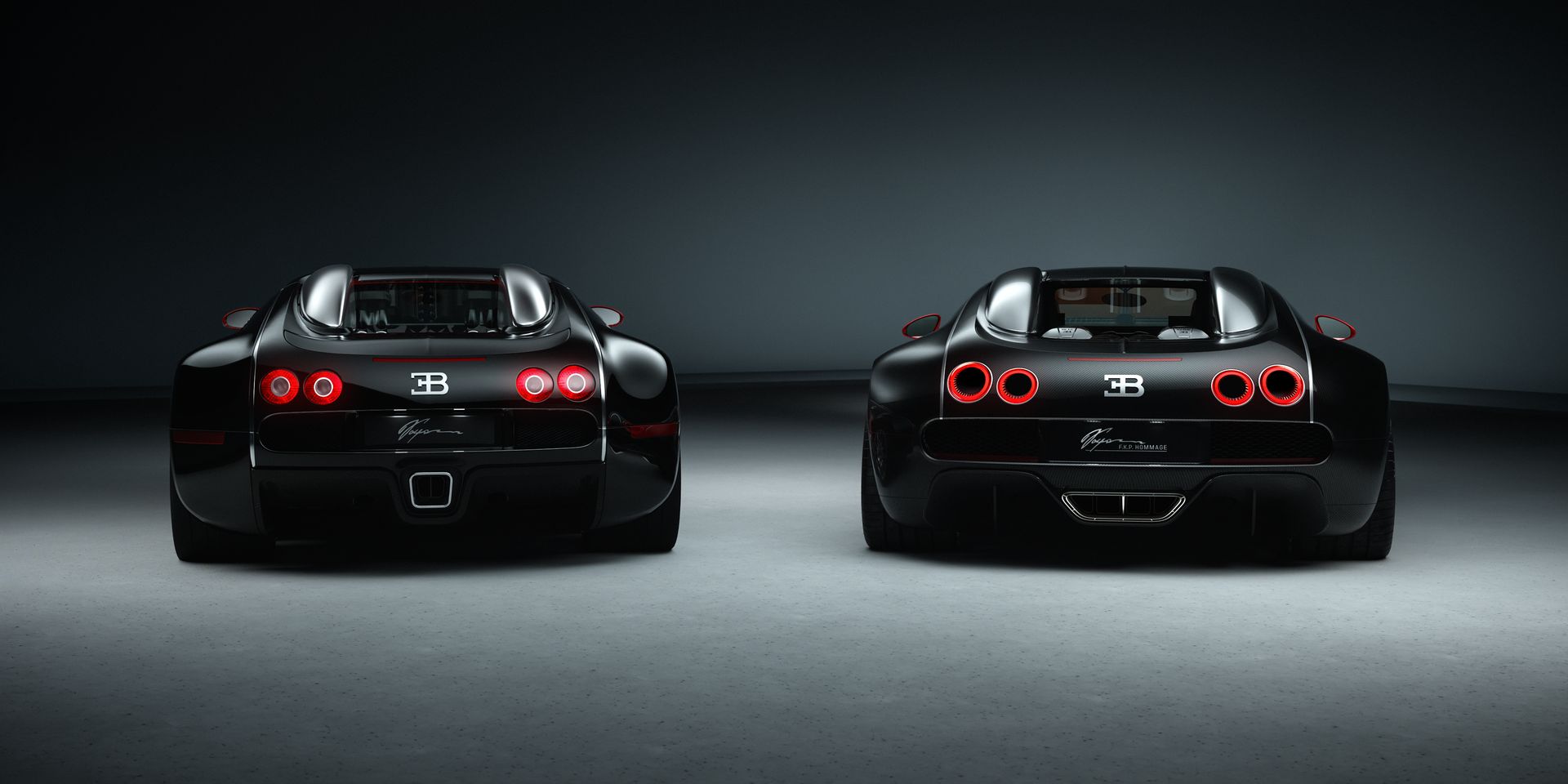
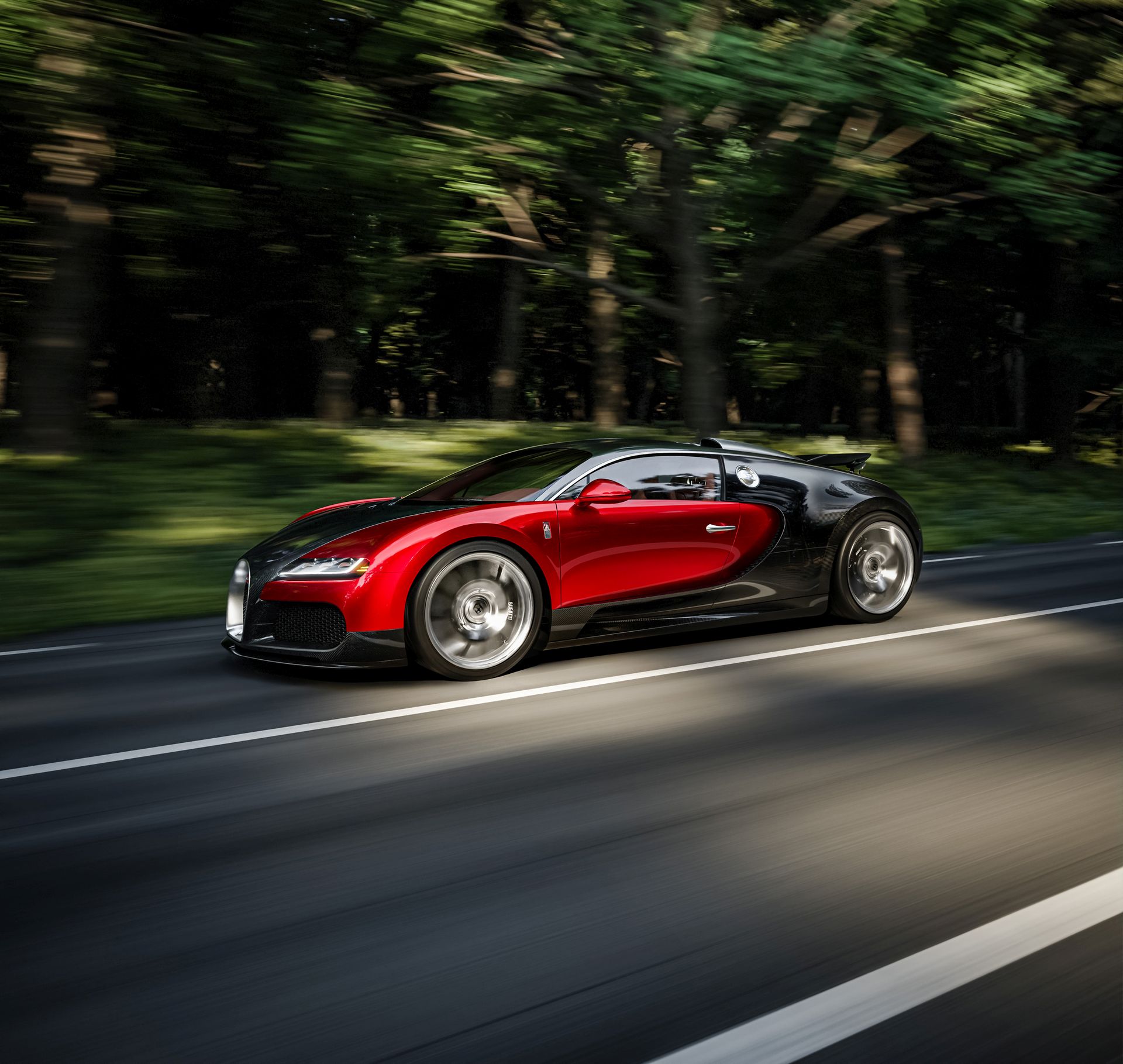
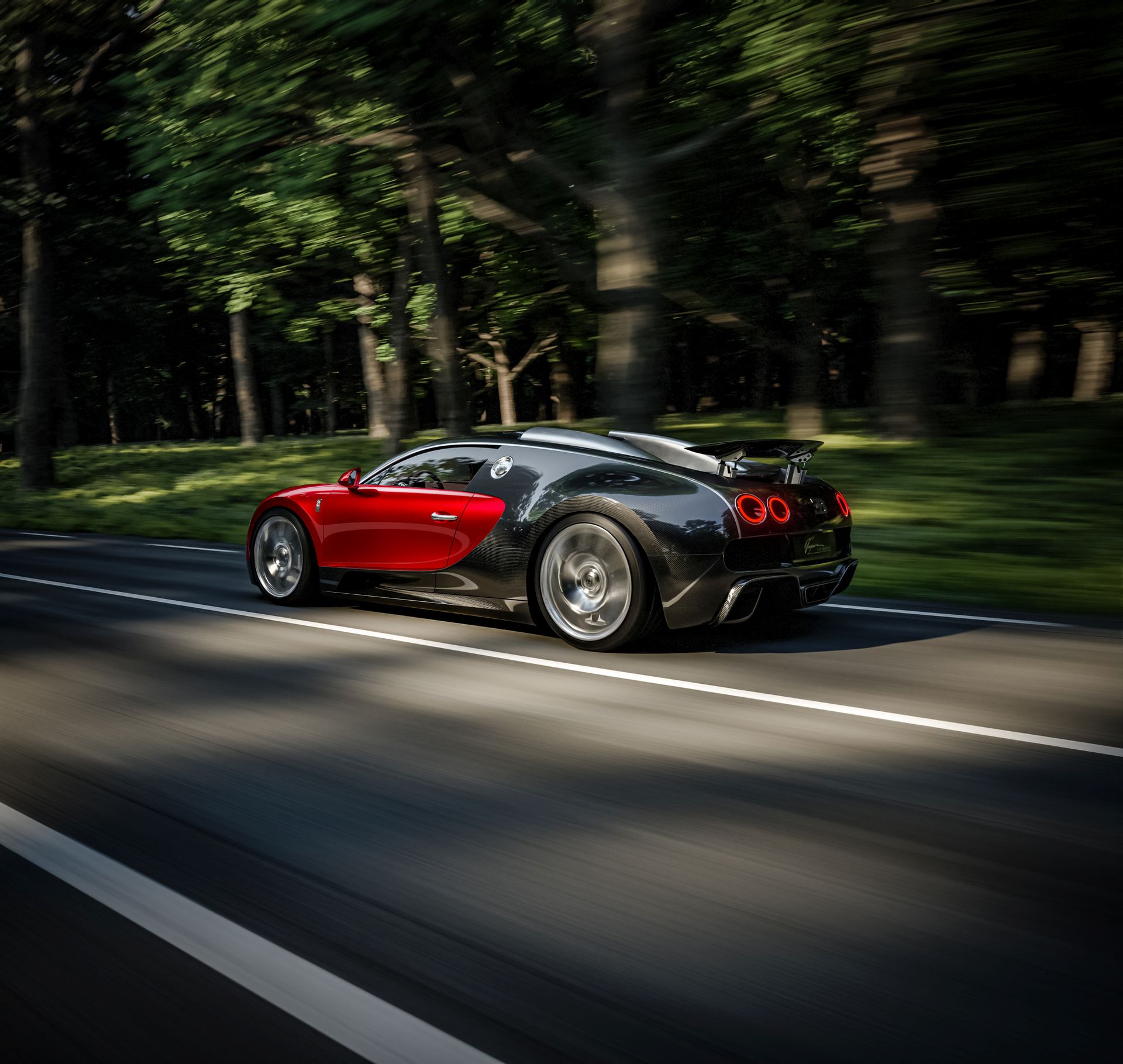
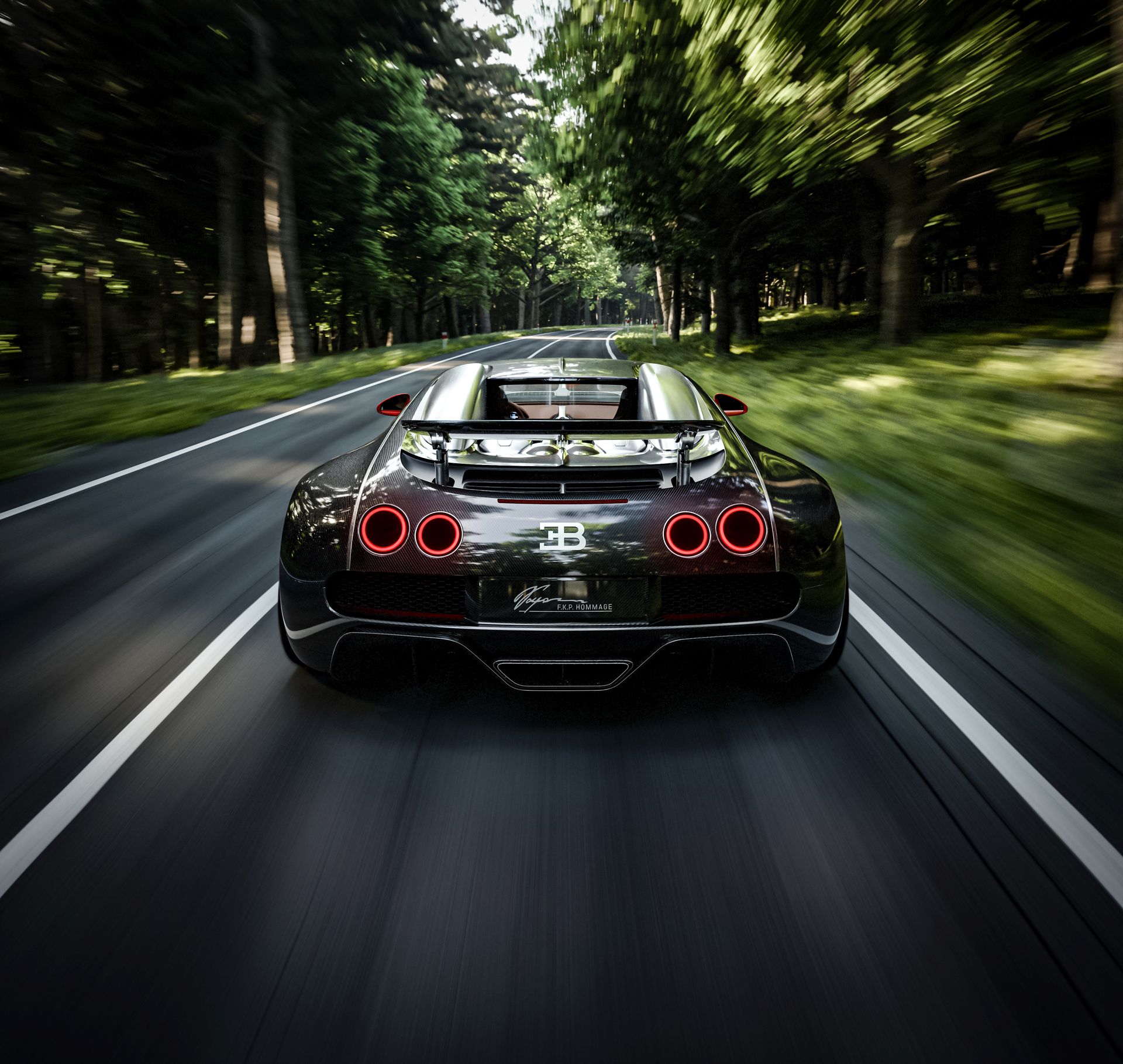
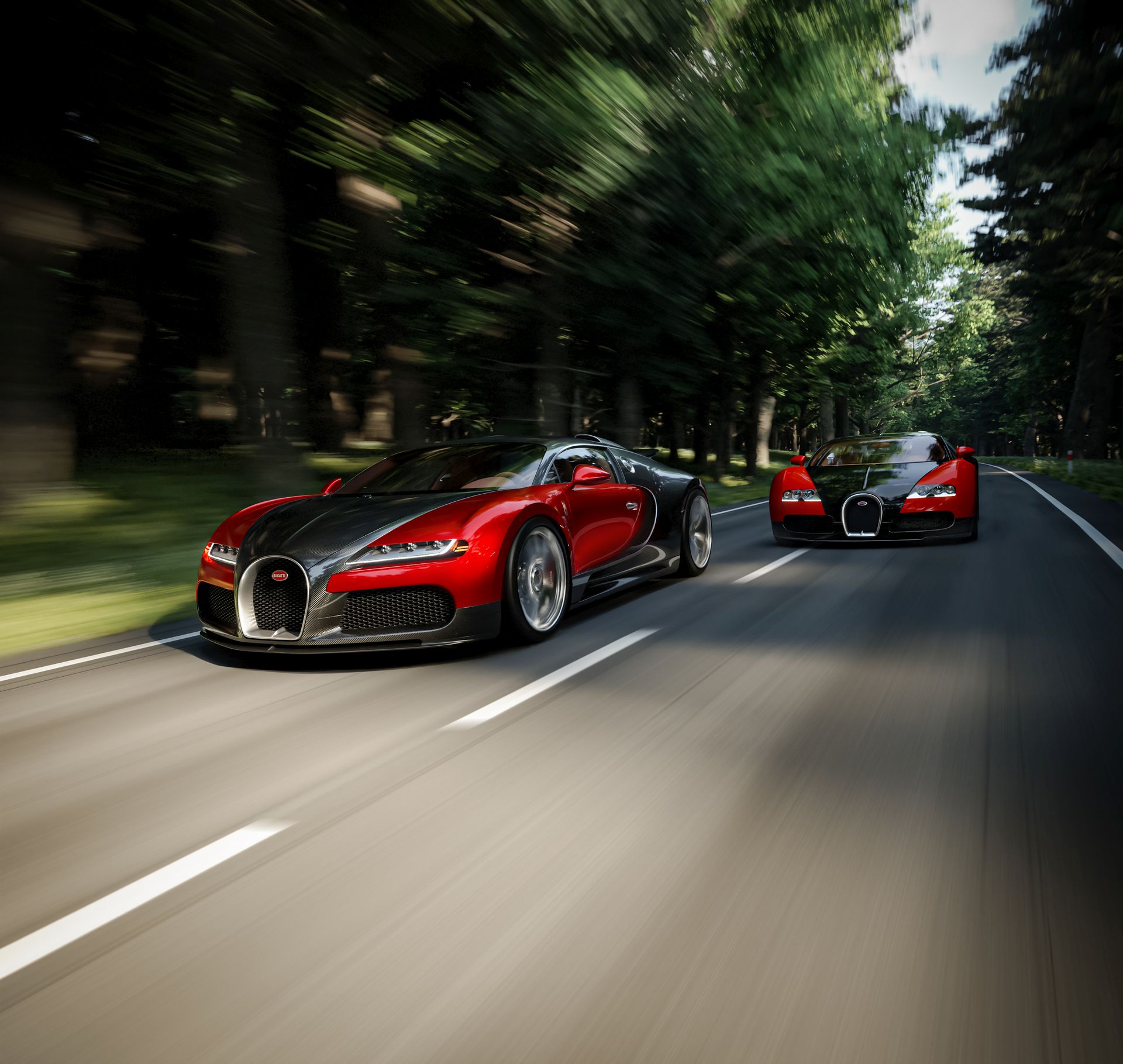
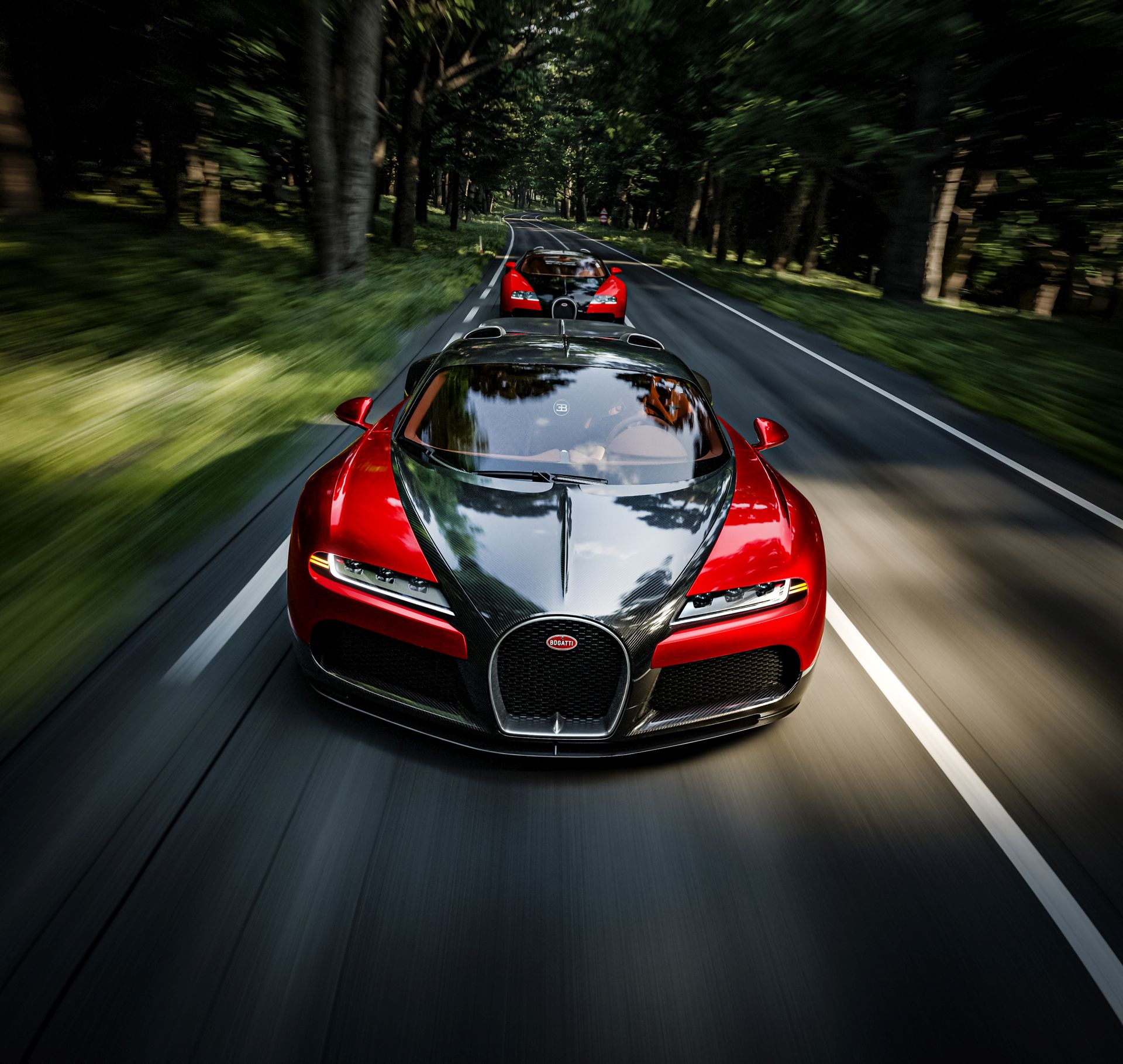
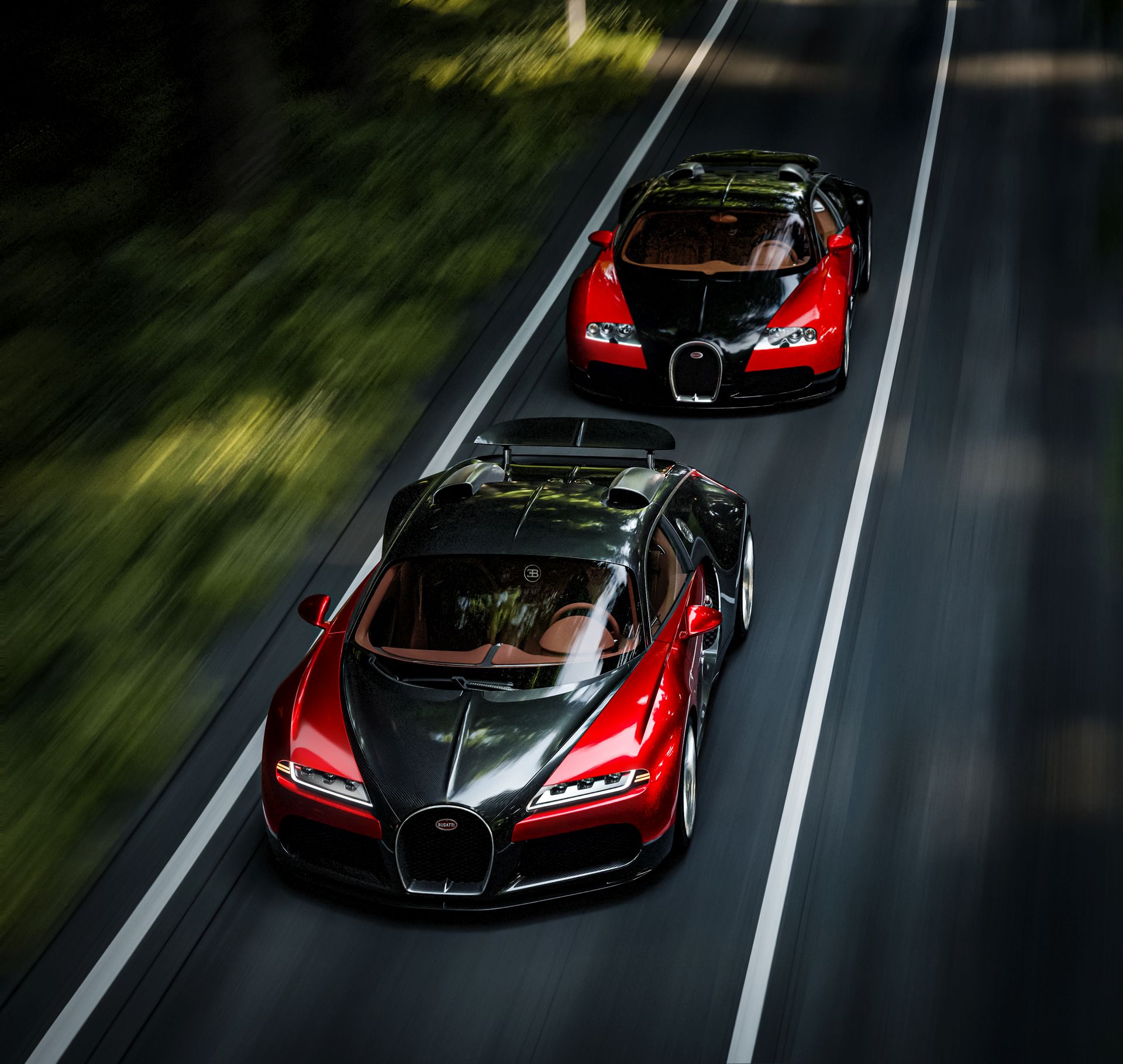
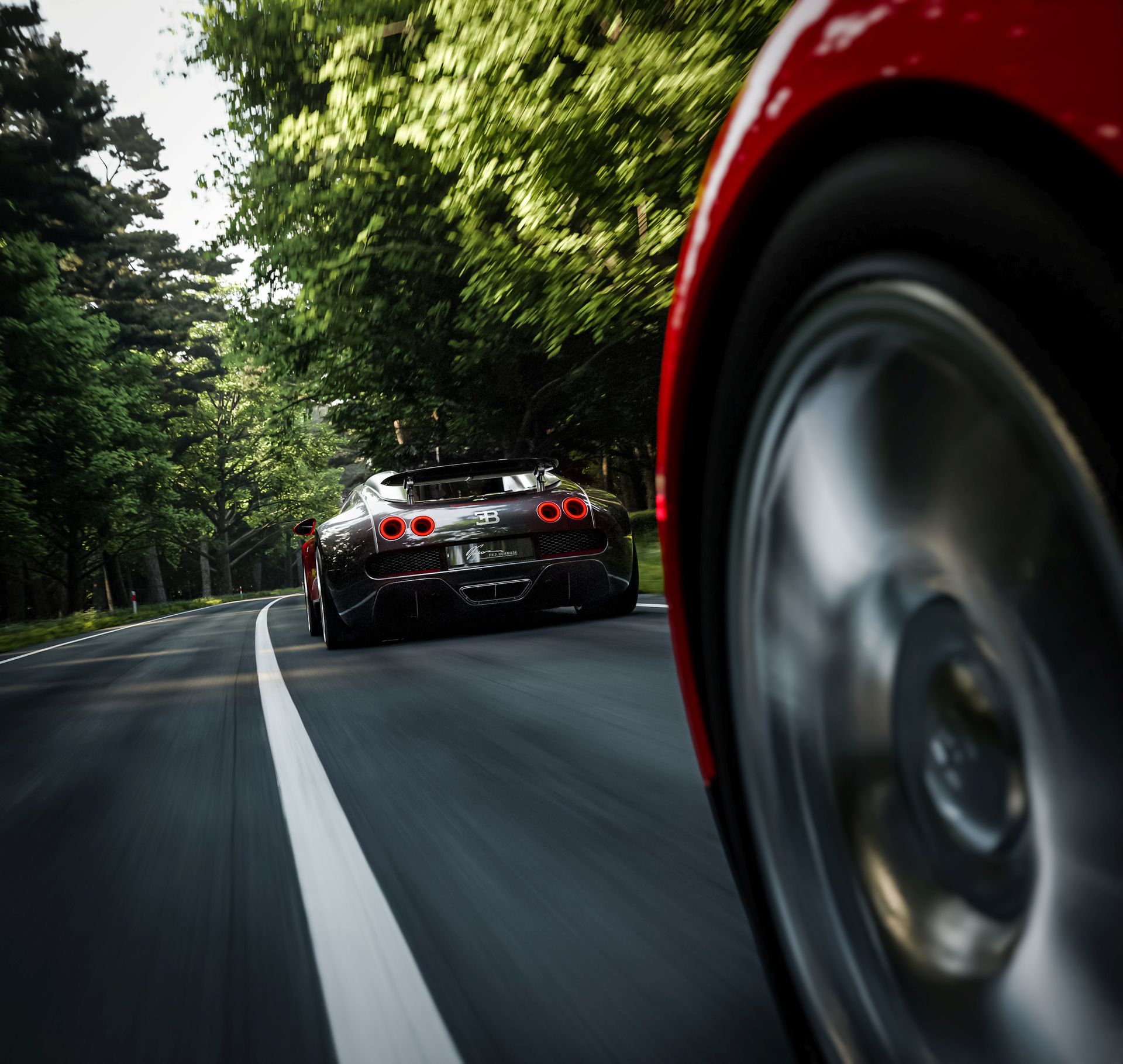
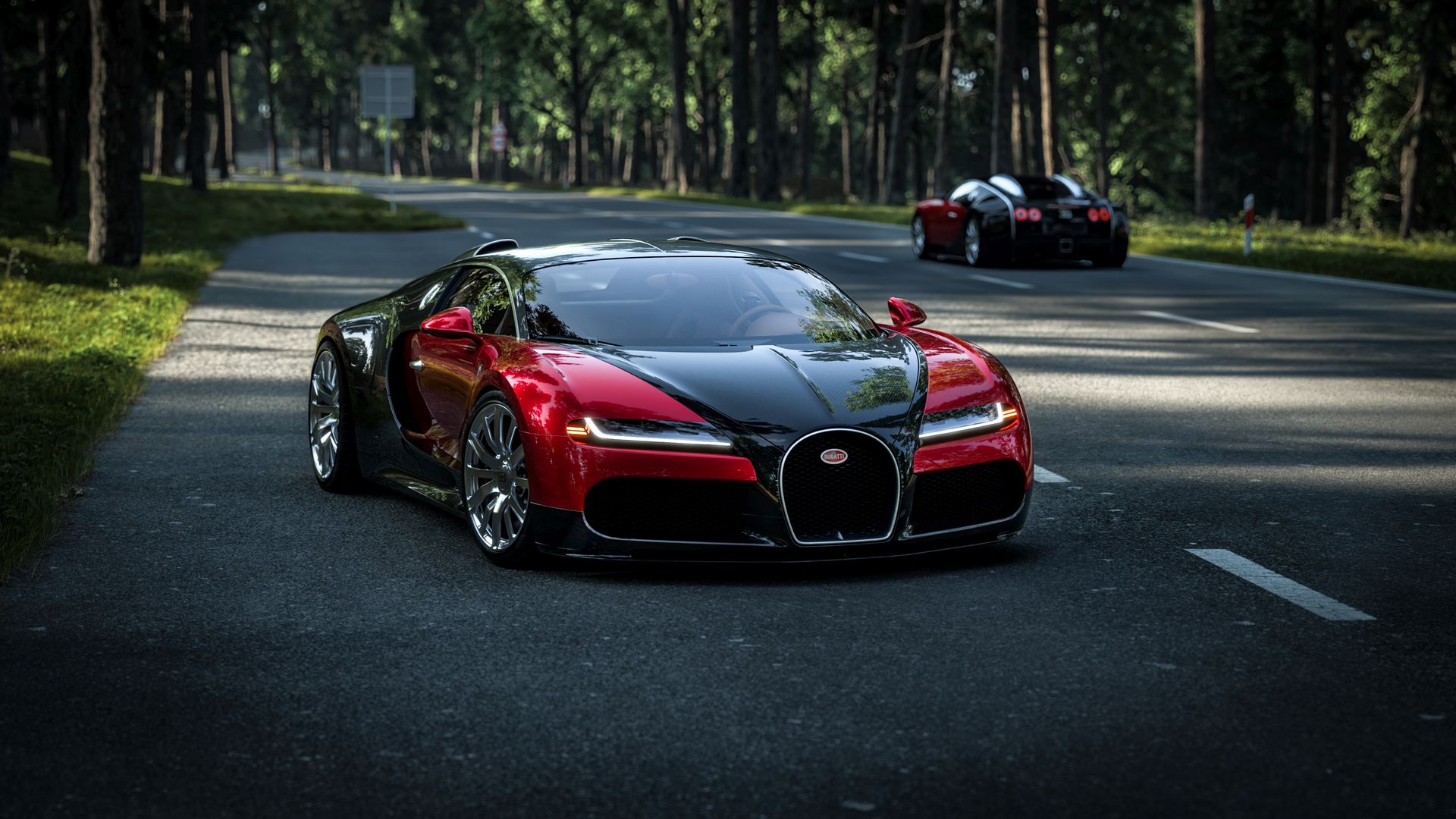
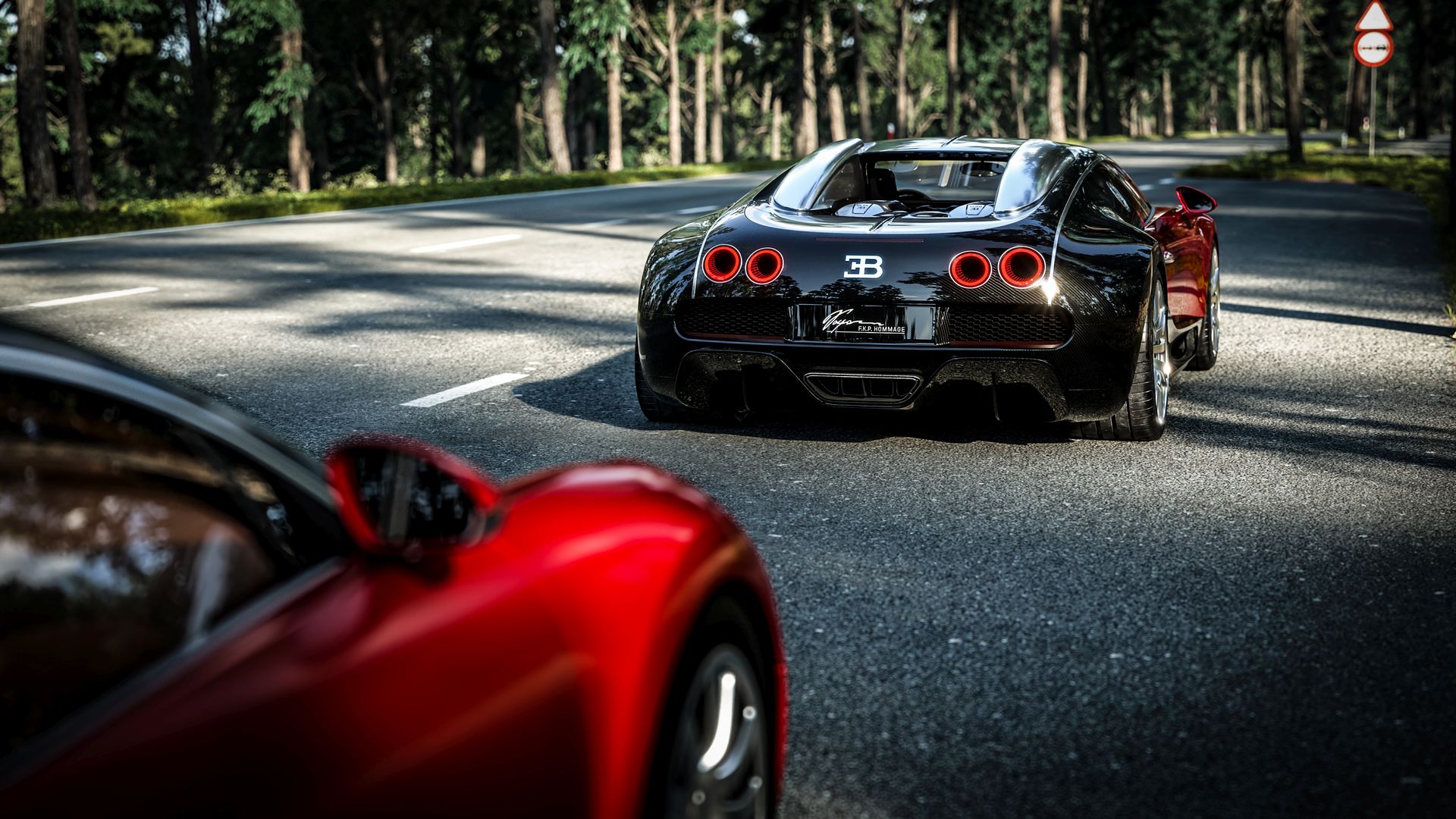
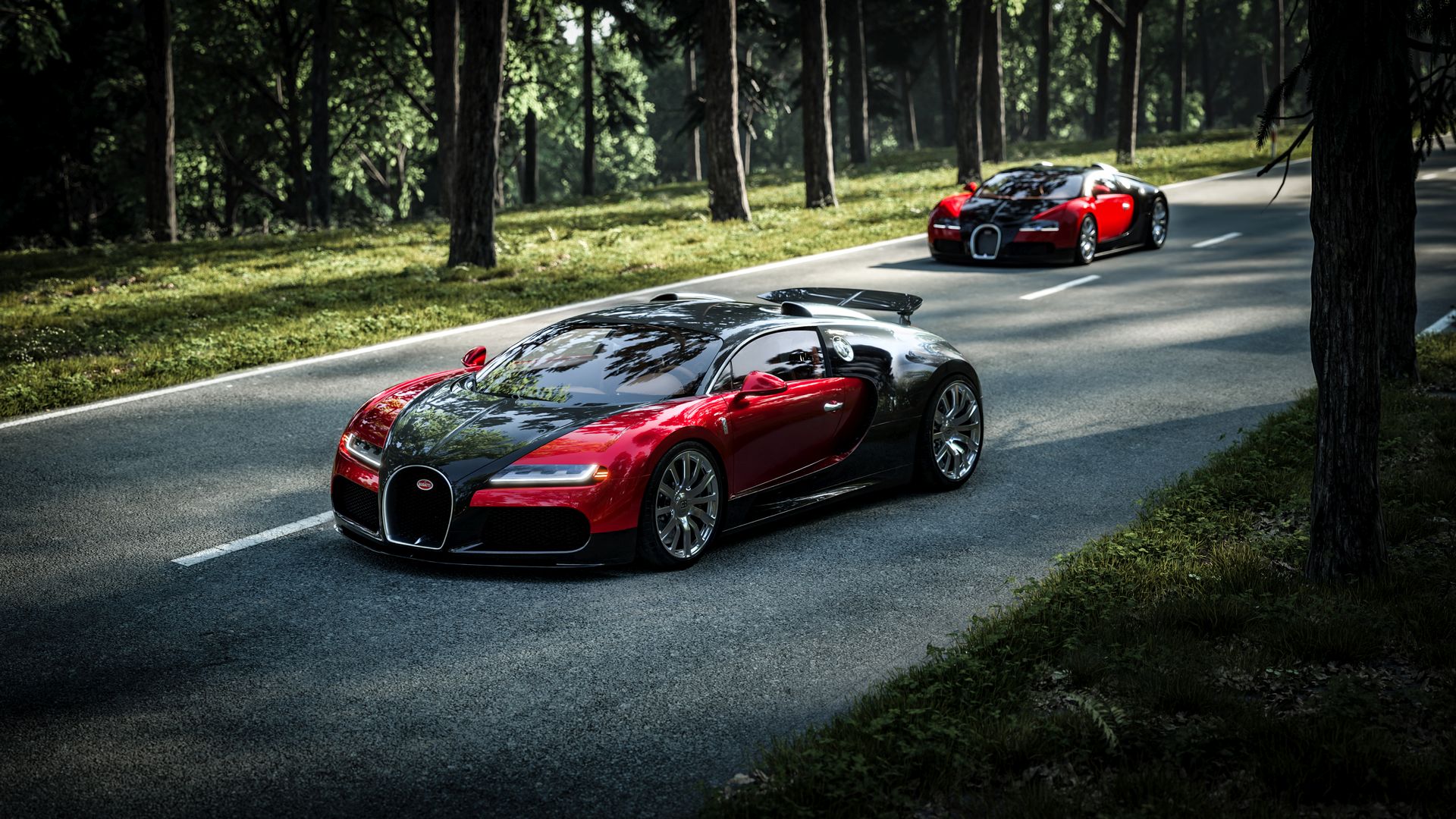
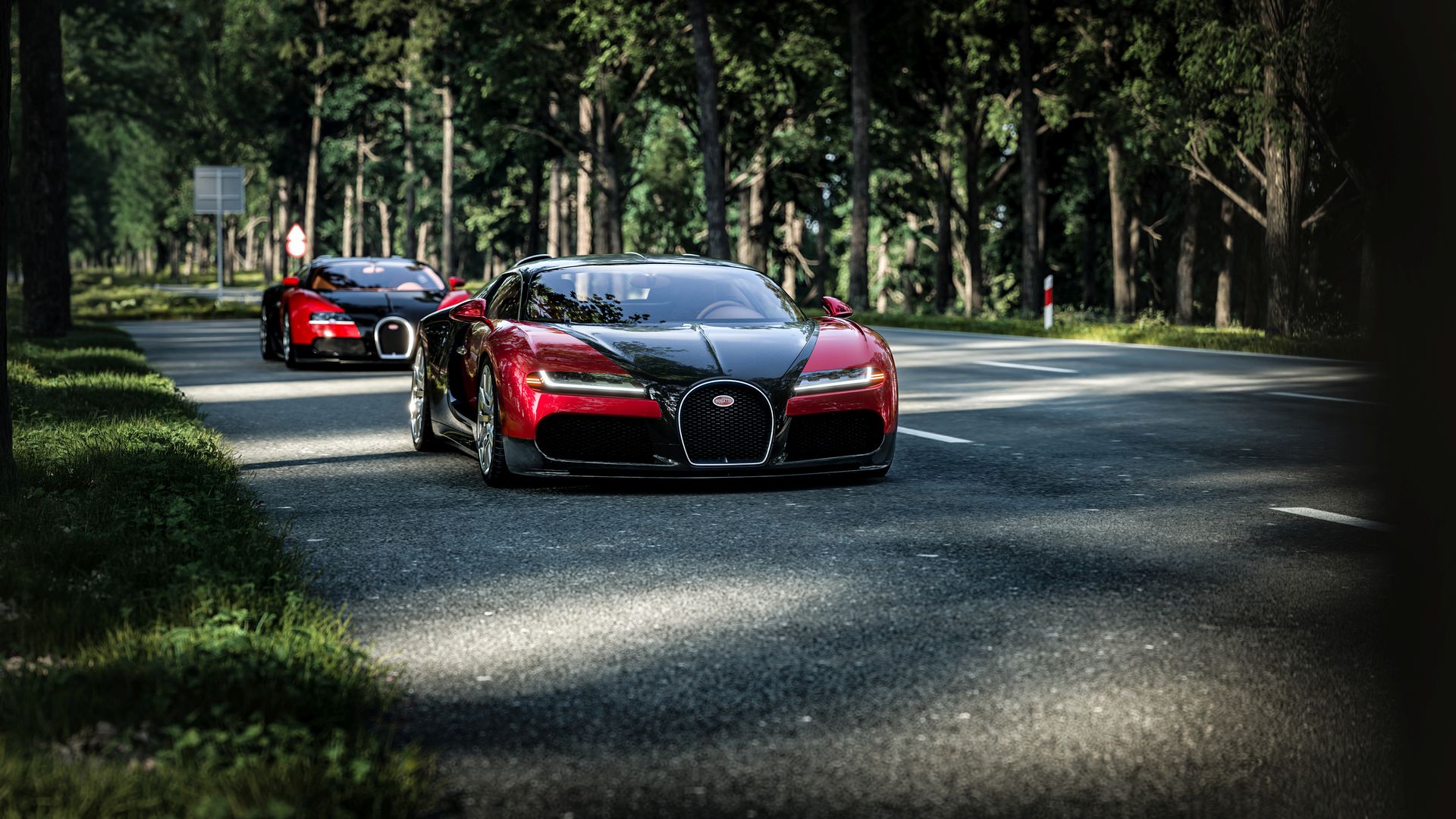
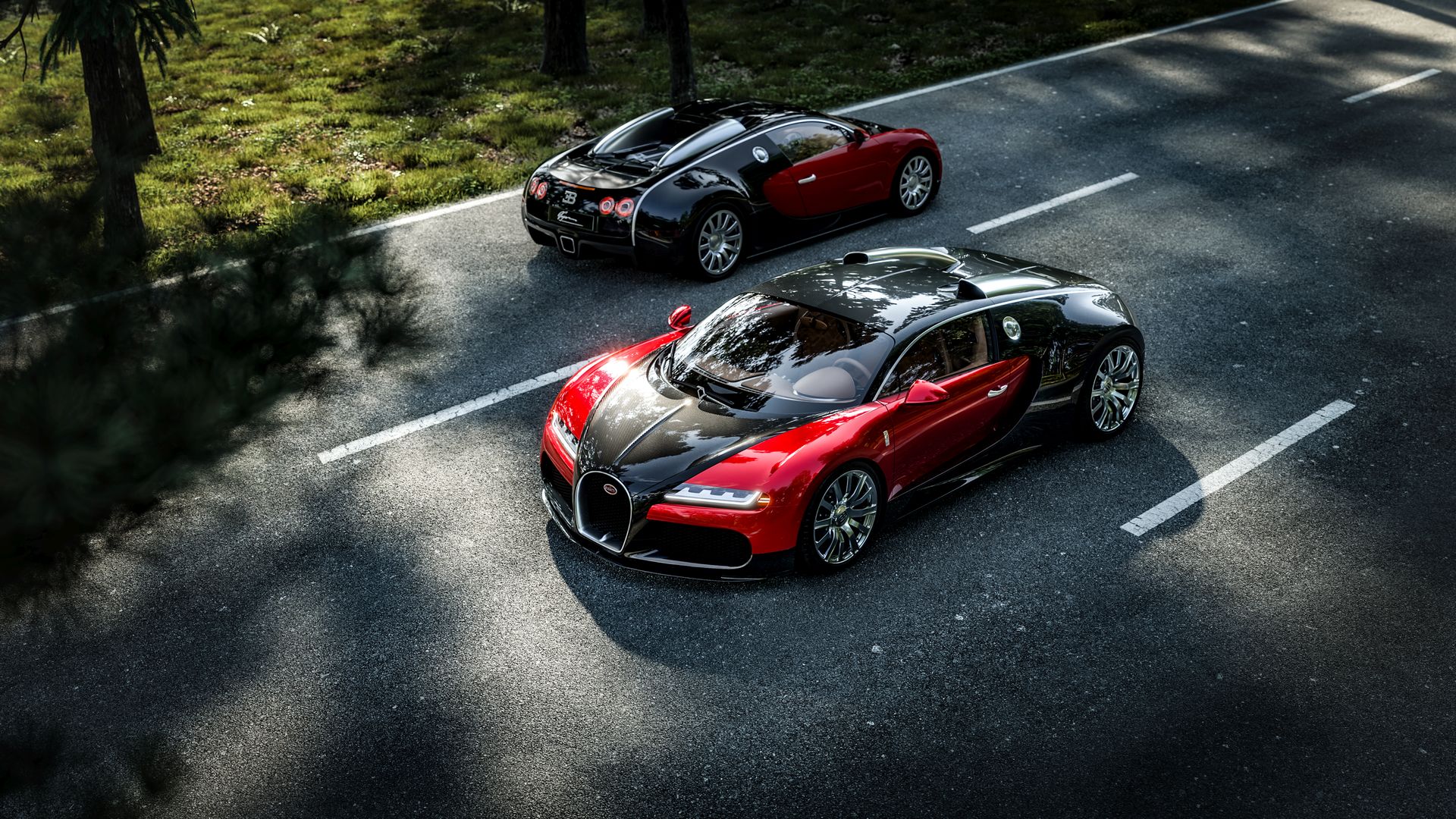
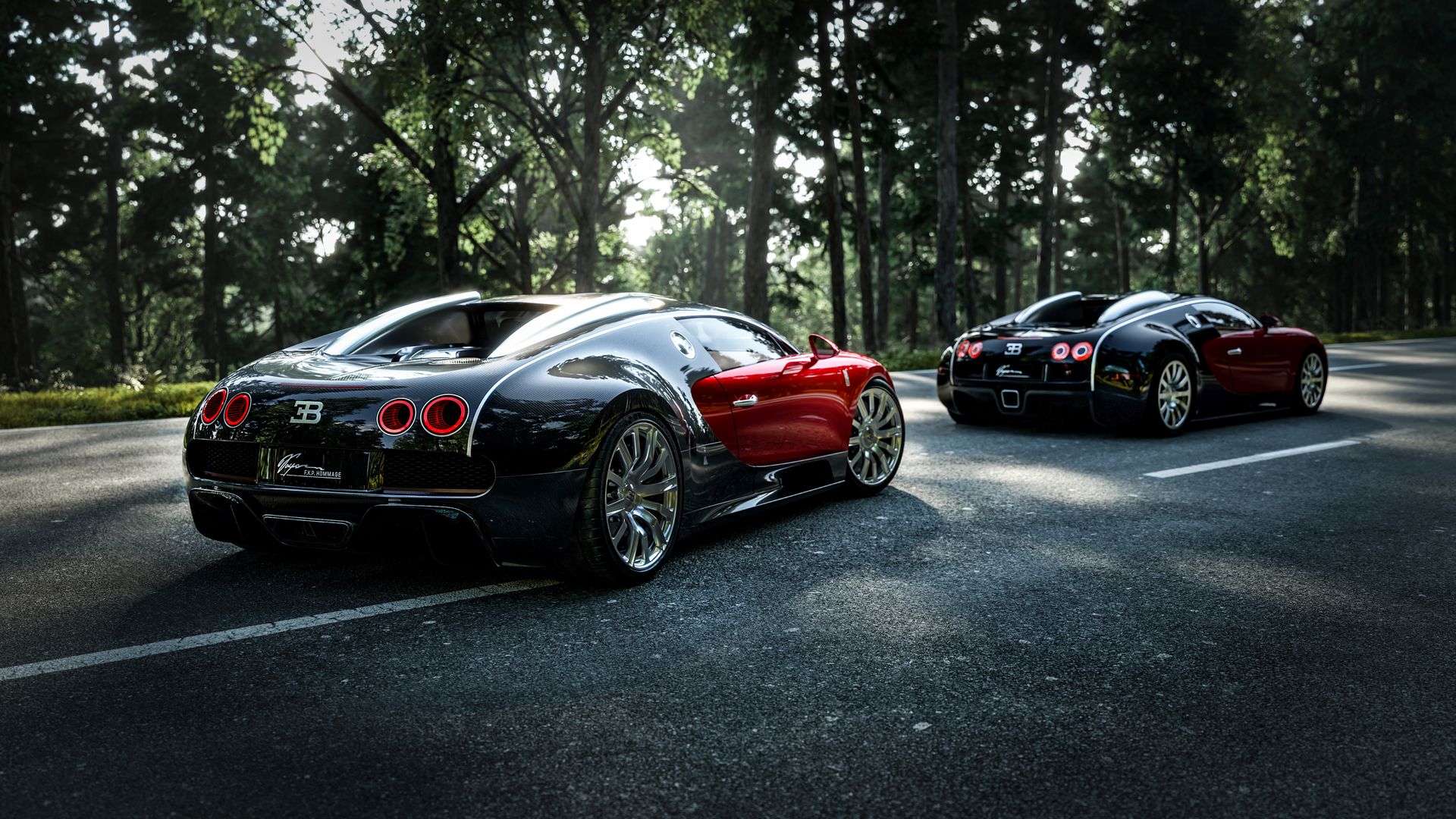
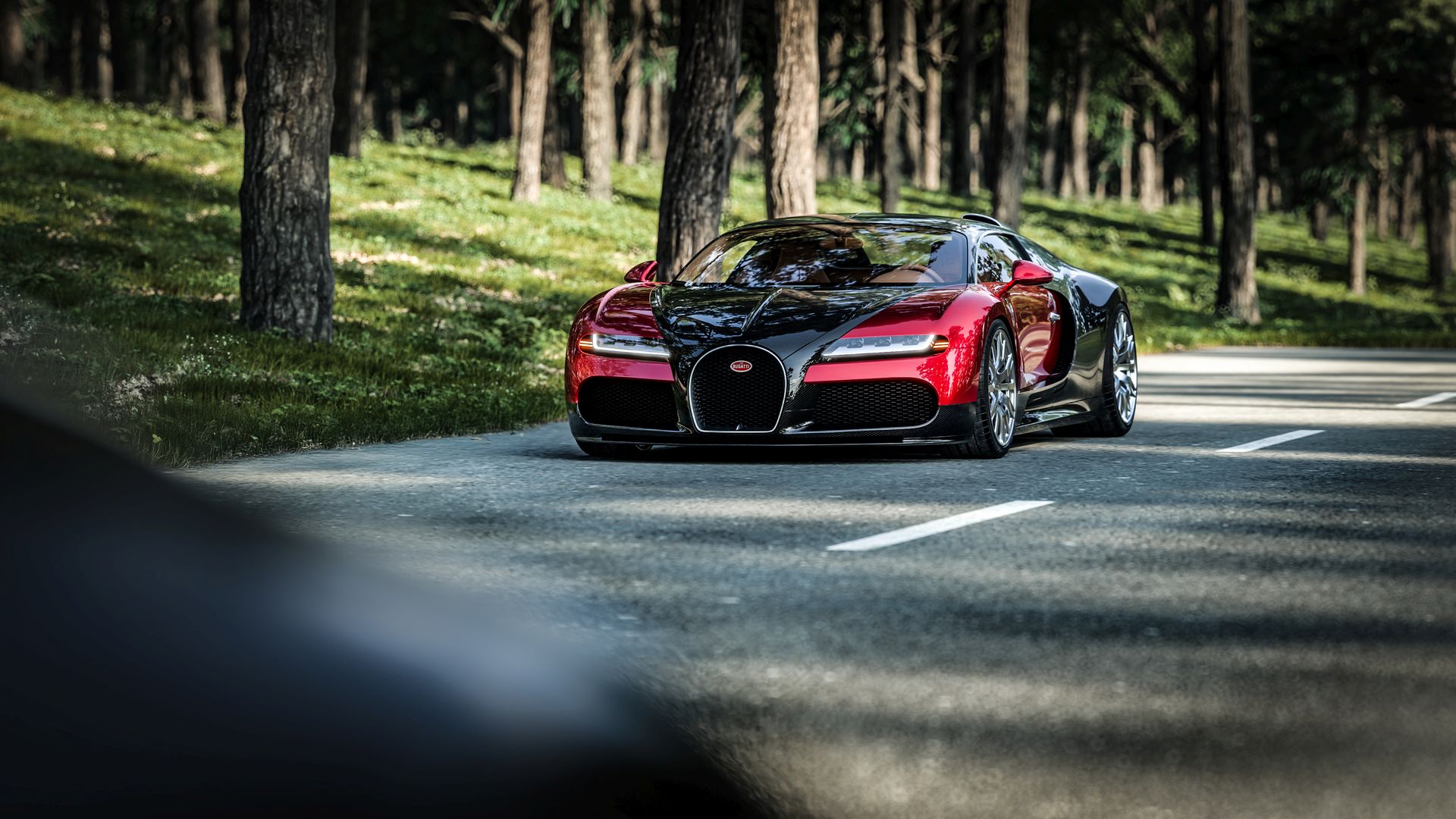
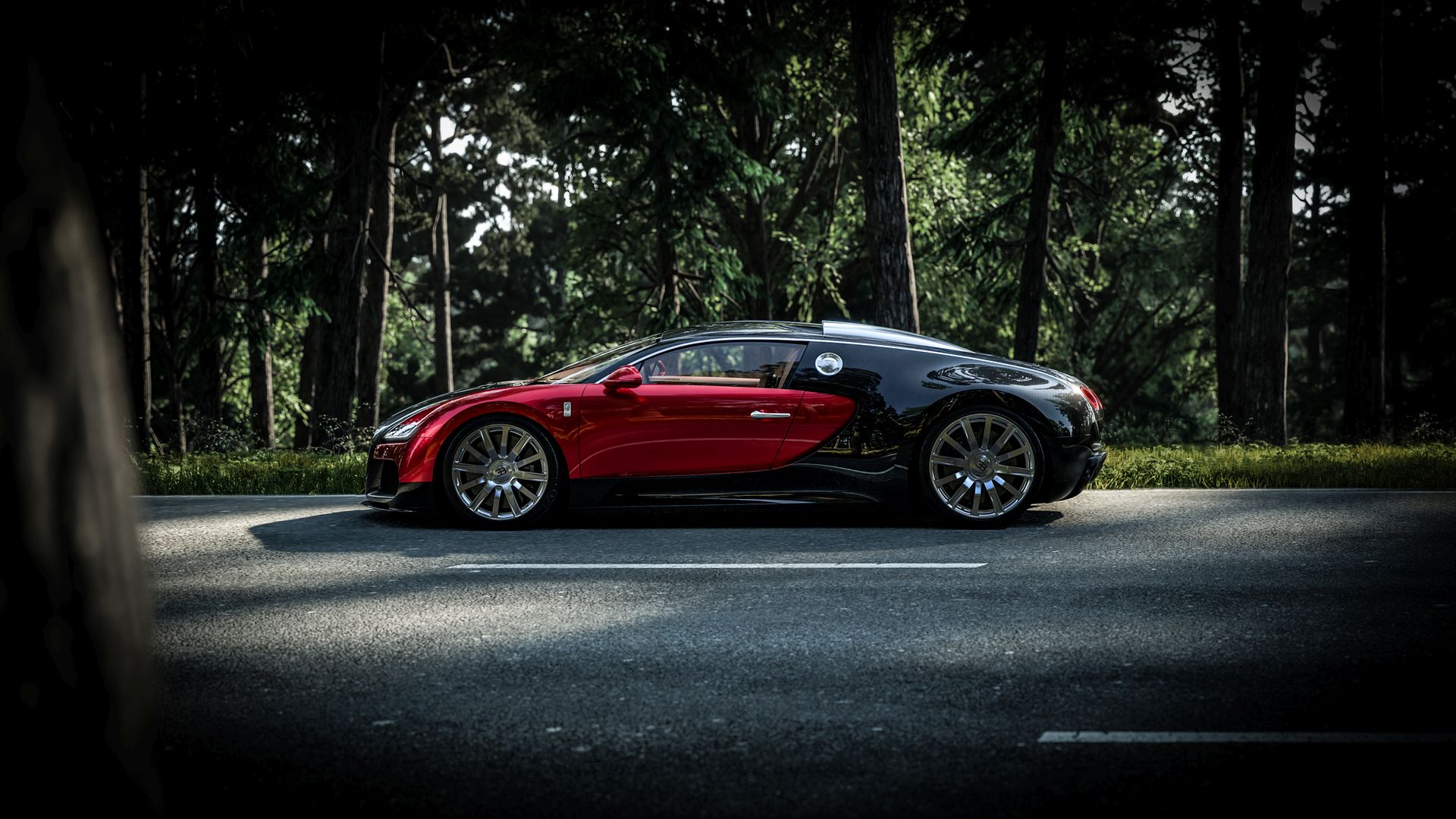
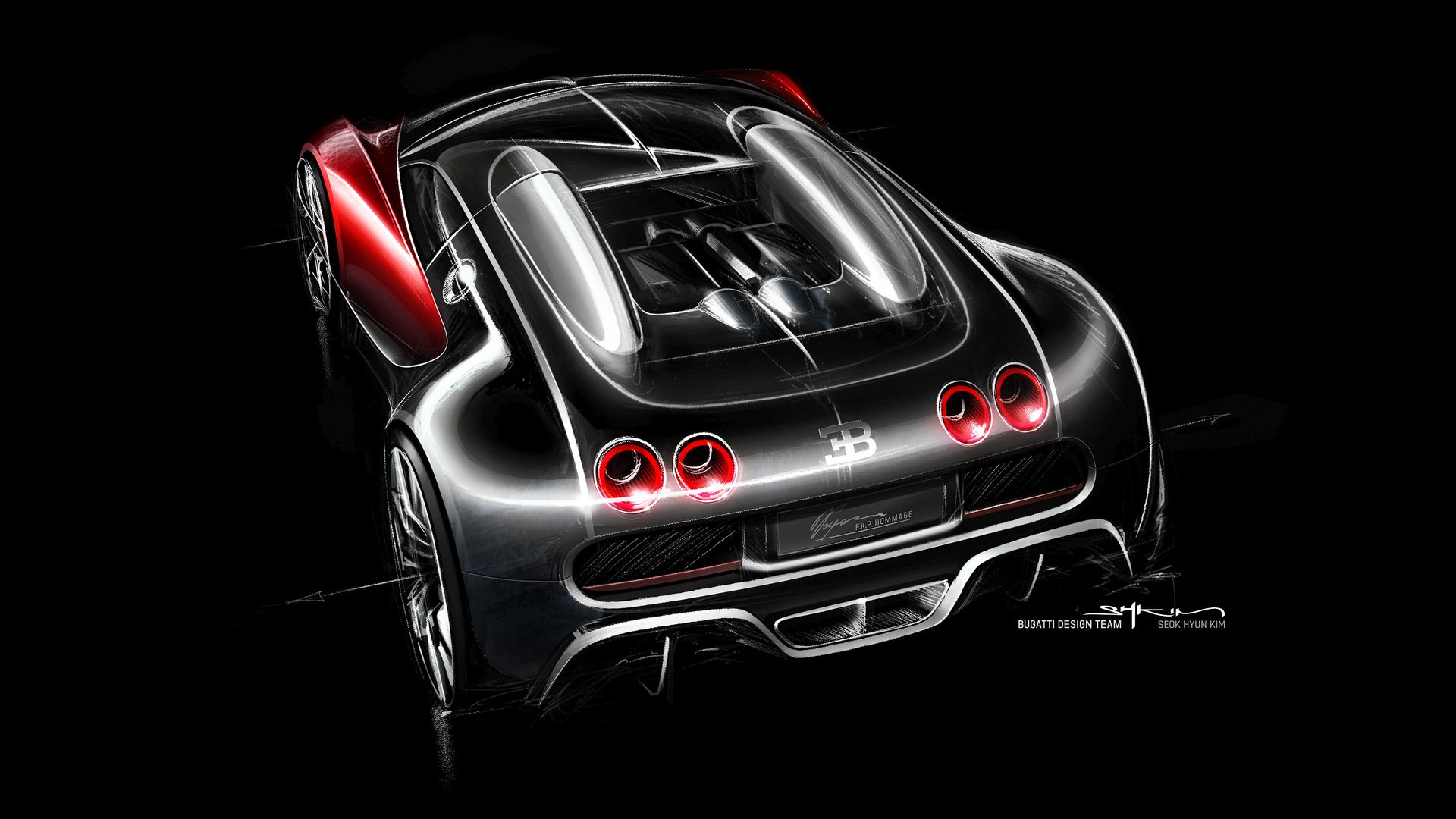

For those of us who remember the seismic shift of the early 2000s, the Bugatti Veyron wasn’t just a car; it was an impossibility made manifest. It was the "Concorde moment" for the automotive world. Today, as the W16 era enters its twilight, Bugatti has unveiled the second masterpiece from its ultra-exclusive Programme Solitaire: the F.K.P. Hommage.
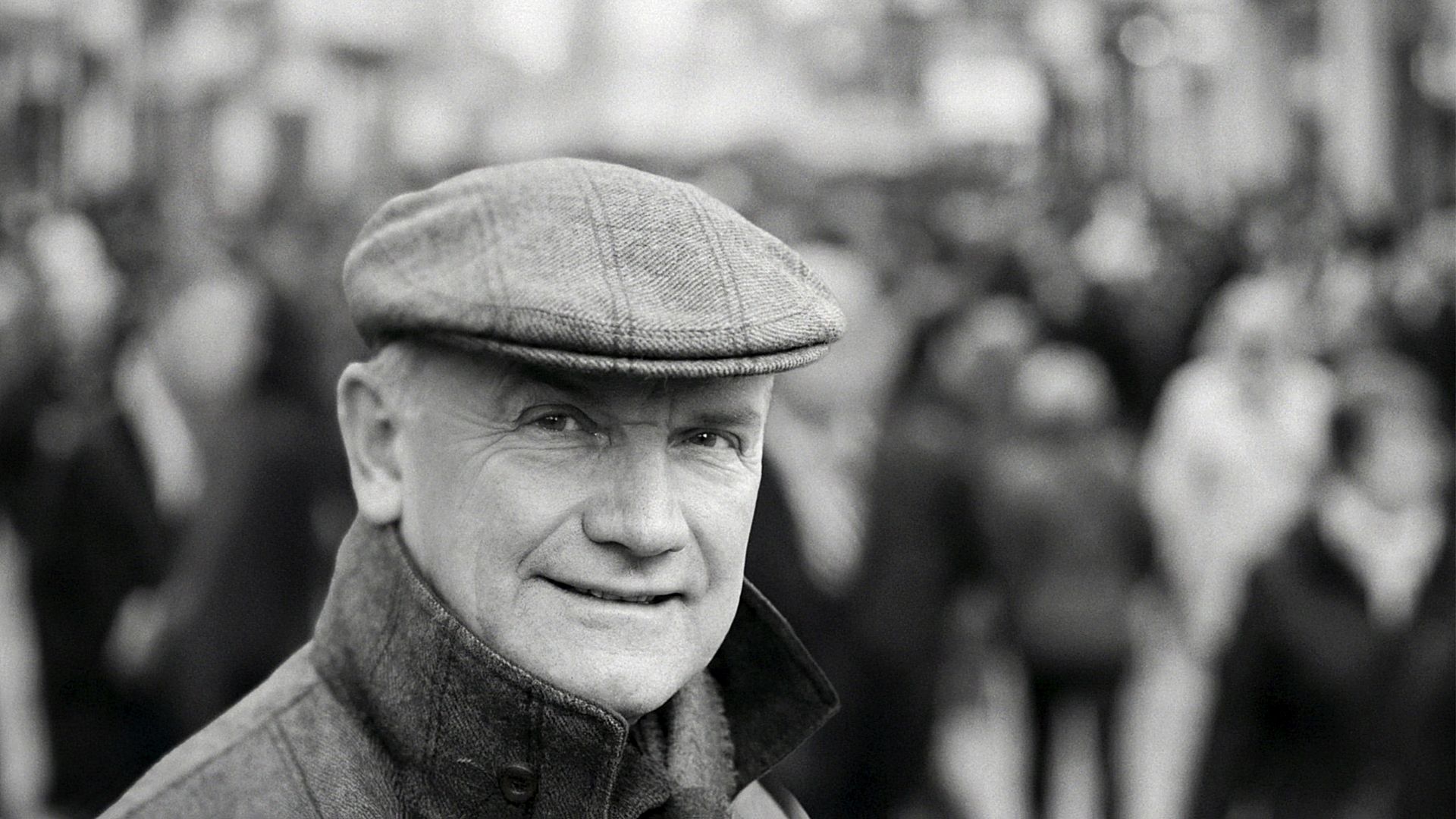
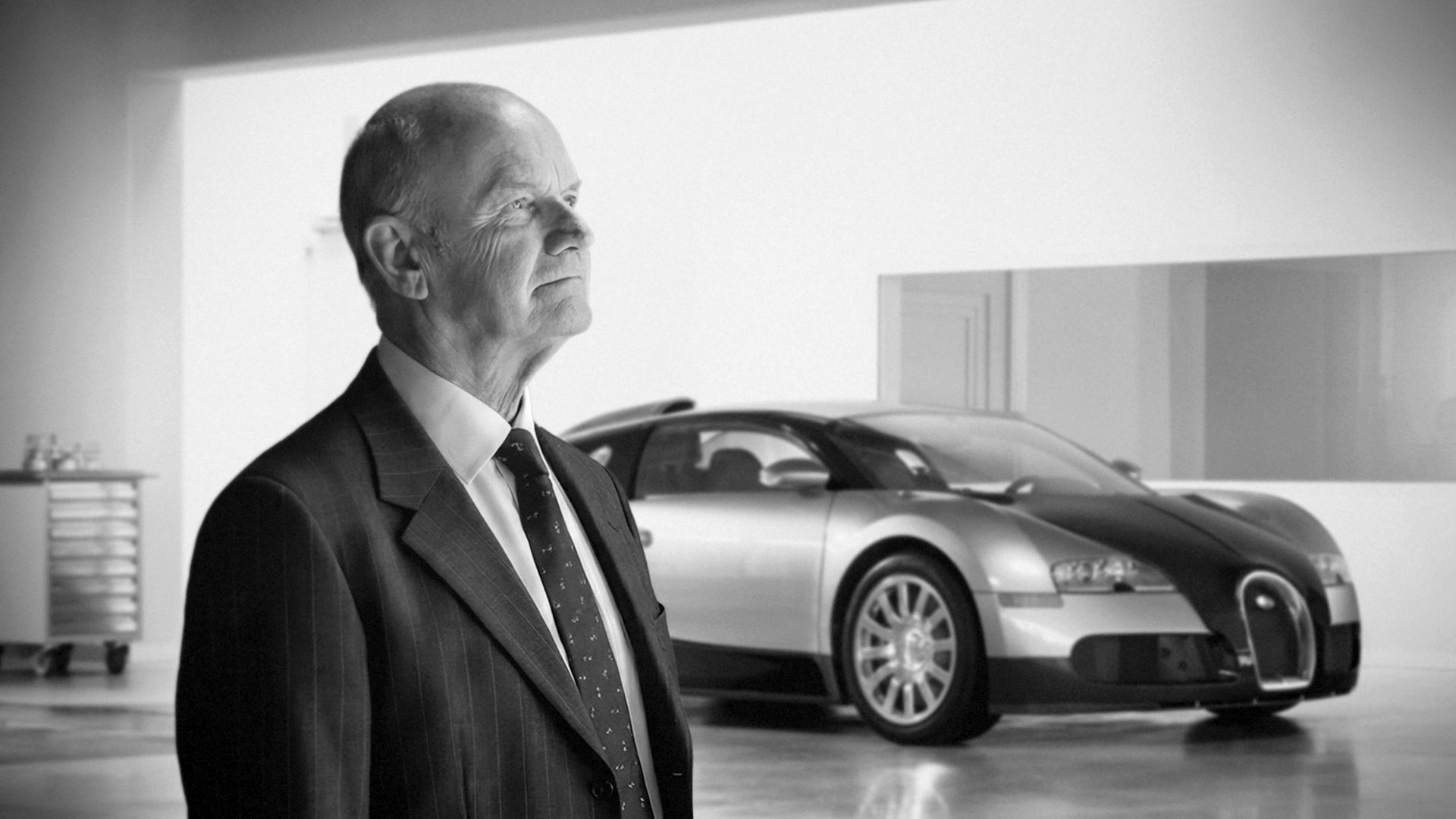
This isn't just another limited edition. It is a technical and aesthetic tribute to the man who sketched a W-engine on a Japanese bullet train and dared his engineers to make it reliable: Prof. Dr. Ferdinand Karl Piëch.
Engineering as Art: The Piëch Legacy
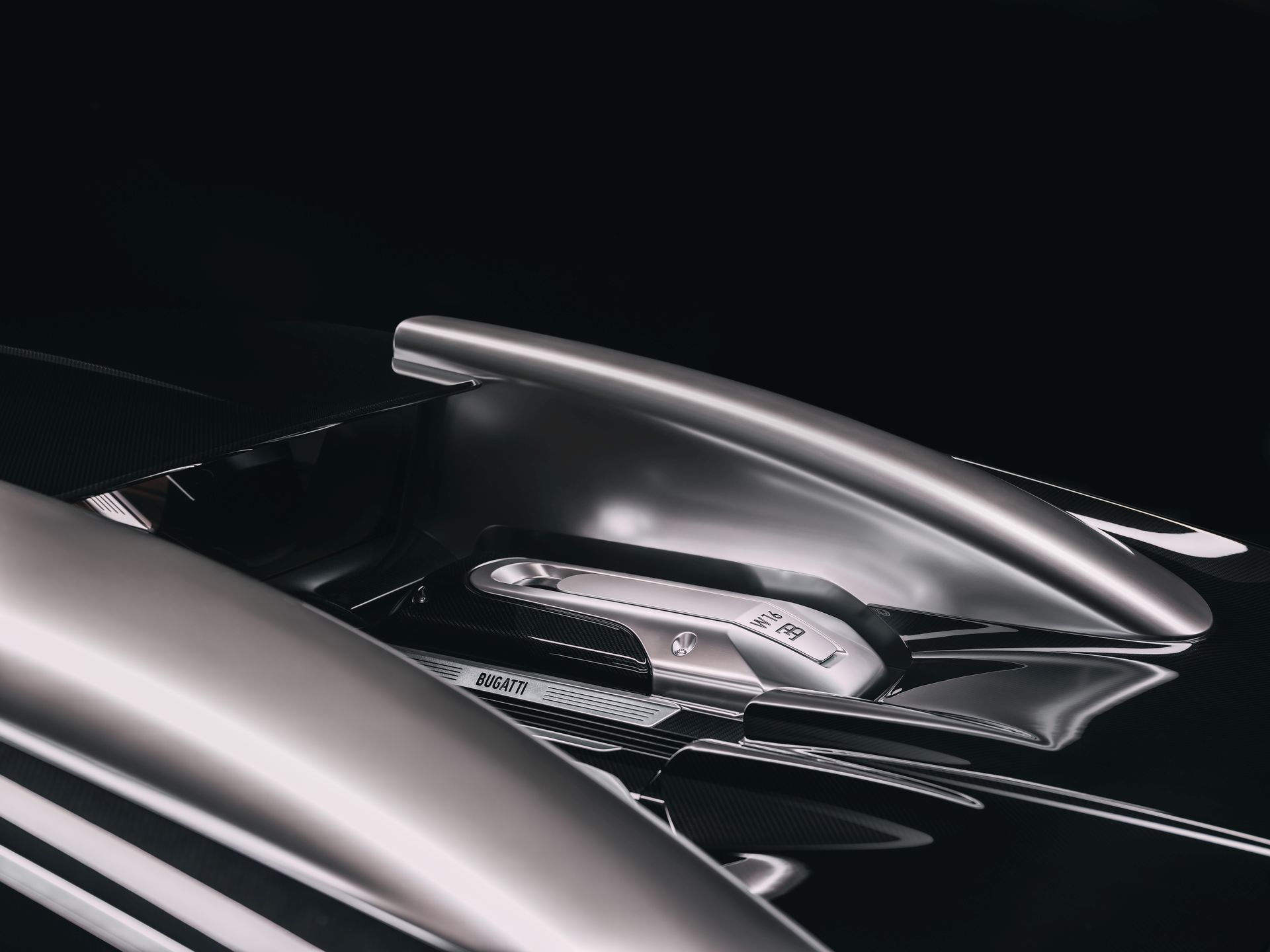
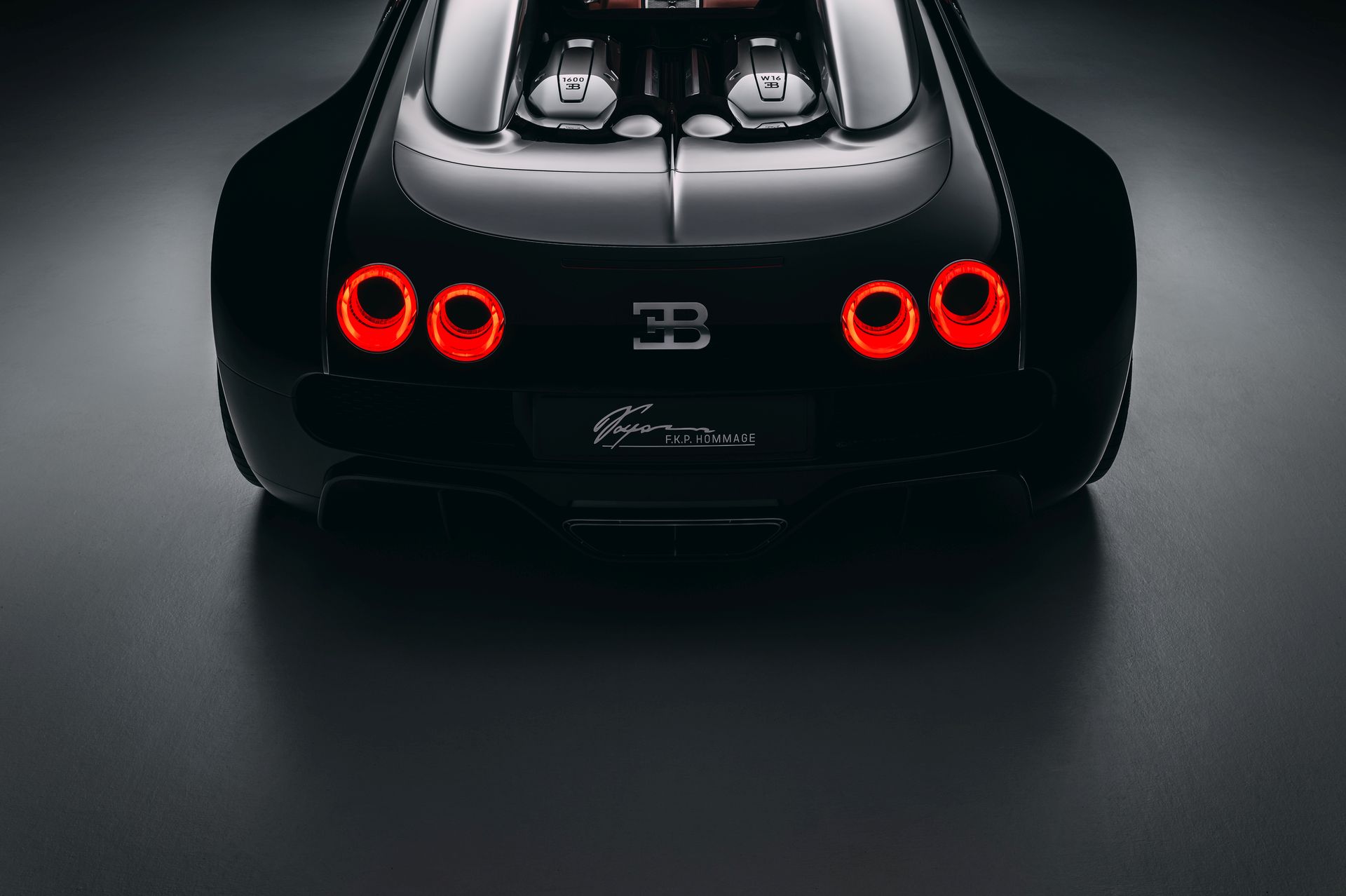
The "F.K.P." designation is a direct nod to Piëch, the visionary chairman of the Volkswagen Group whose obsession with packaging led to the W16. Enthusiasts know that the Veyron’s magic lay in its compact footprint. By staggering the cylinders, Piëch’s team squeezed 16 cylinders into a block just 645mm long.
The F.K.P. Hommage takes this architectural brilliance and pairs it with the pinnacle of internal combustion: the 1,600 hp quad-turbocharged heart from the Chiron Super Sport. This isn't merely a "tune." To handle the gargantuan torque required to exceed the 300 mph barrier—a goal Piëch himself championed—this iteration features:
- Larger, high-efficiency turbochargers.
- A reinforced gearbox architecture.
- An upgraded cooling system designed to manage the thermal loads of sustained high-speed runs.
A Bauhaus Silhouette in a Wedge-Shaped World
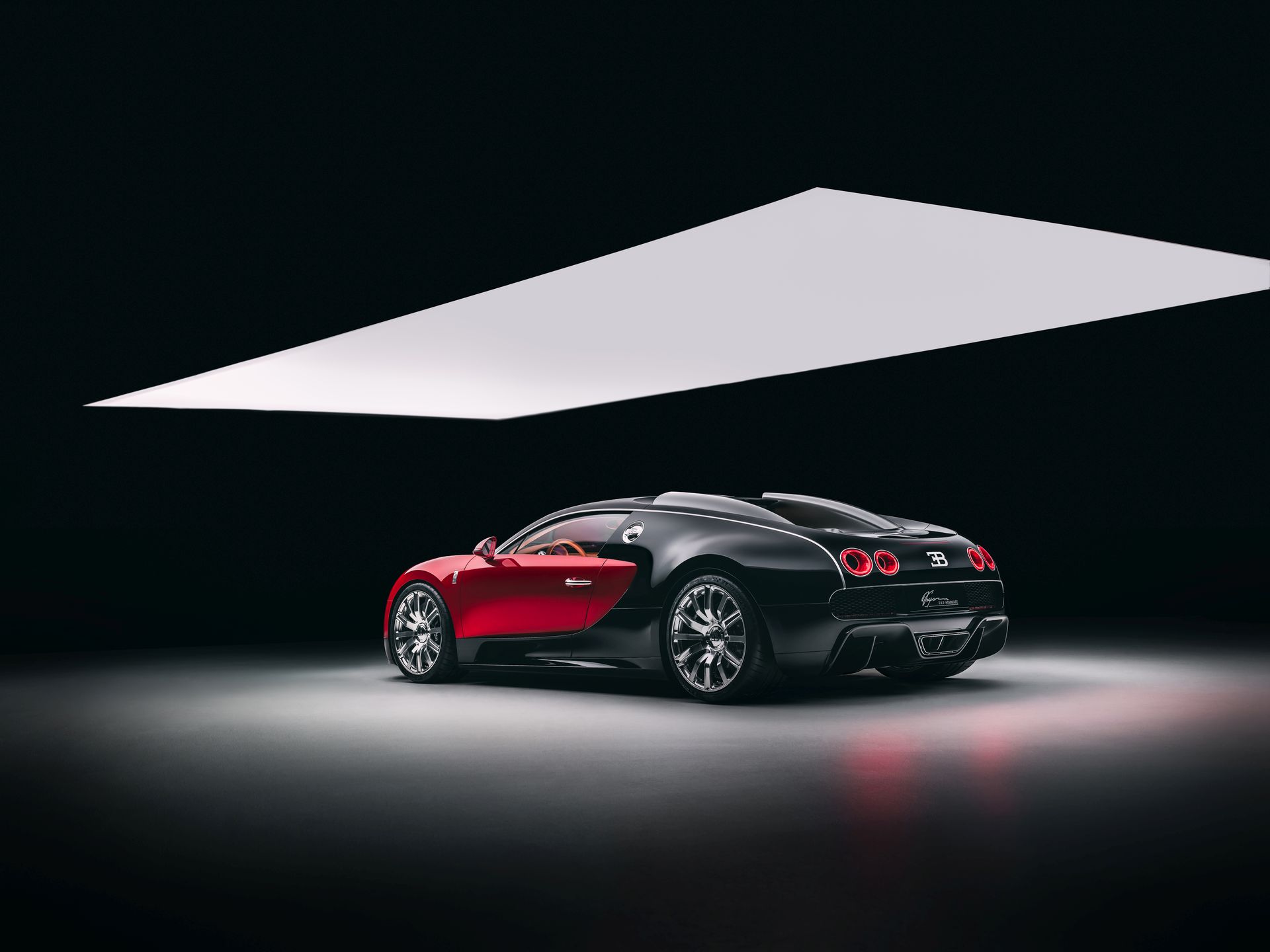
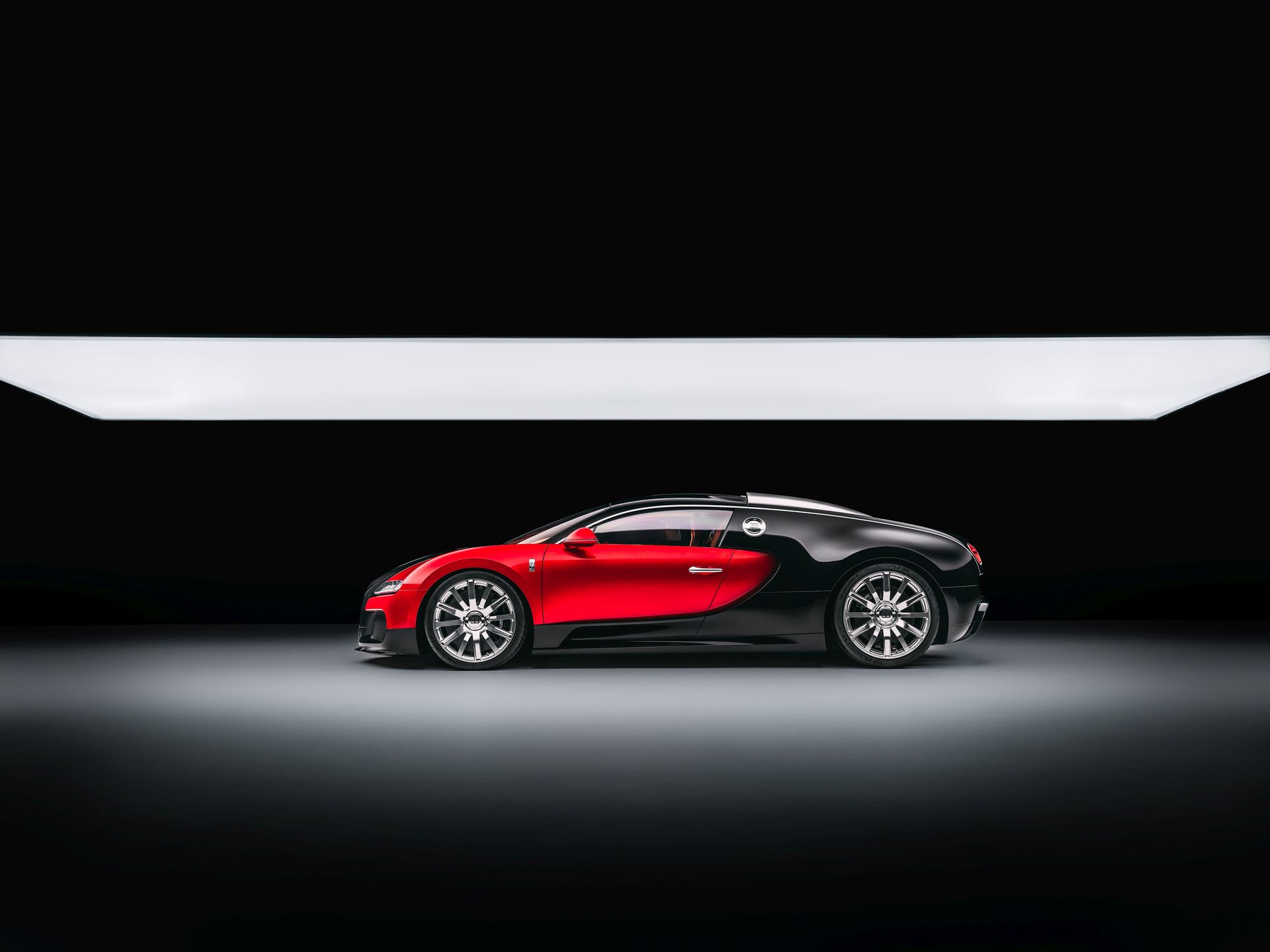
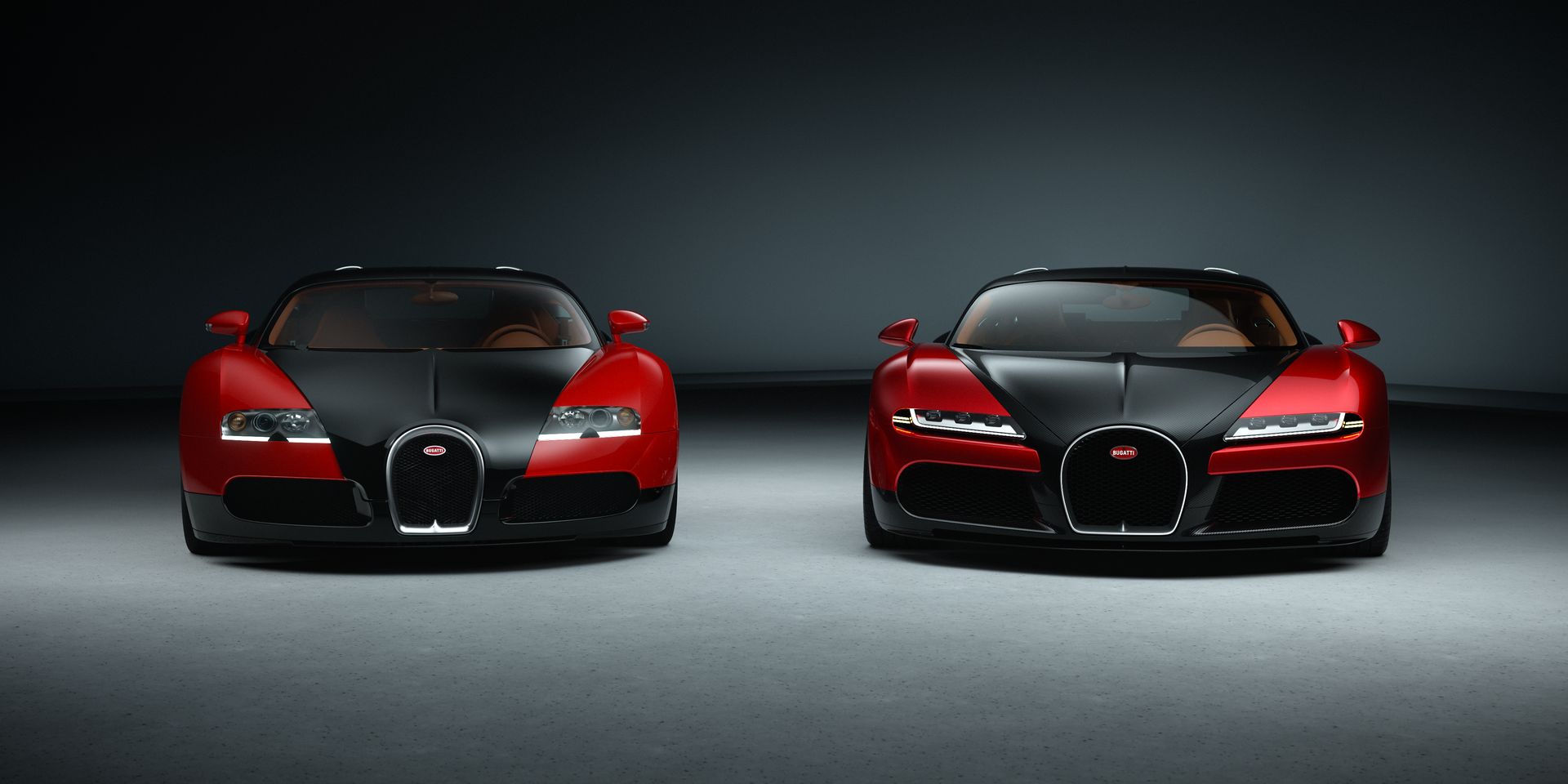
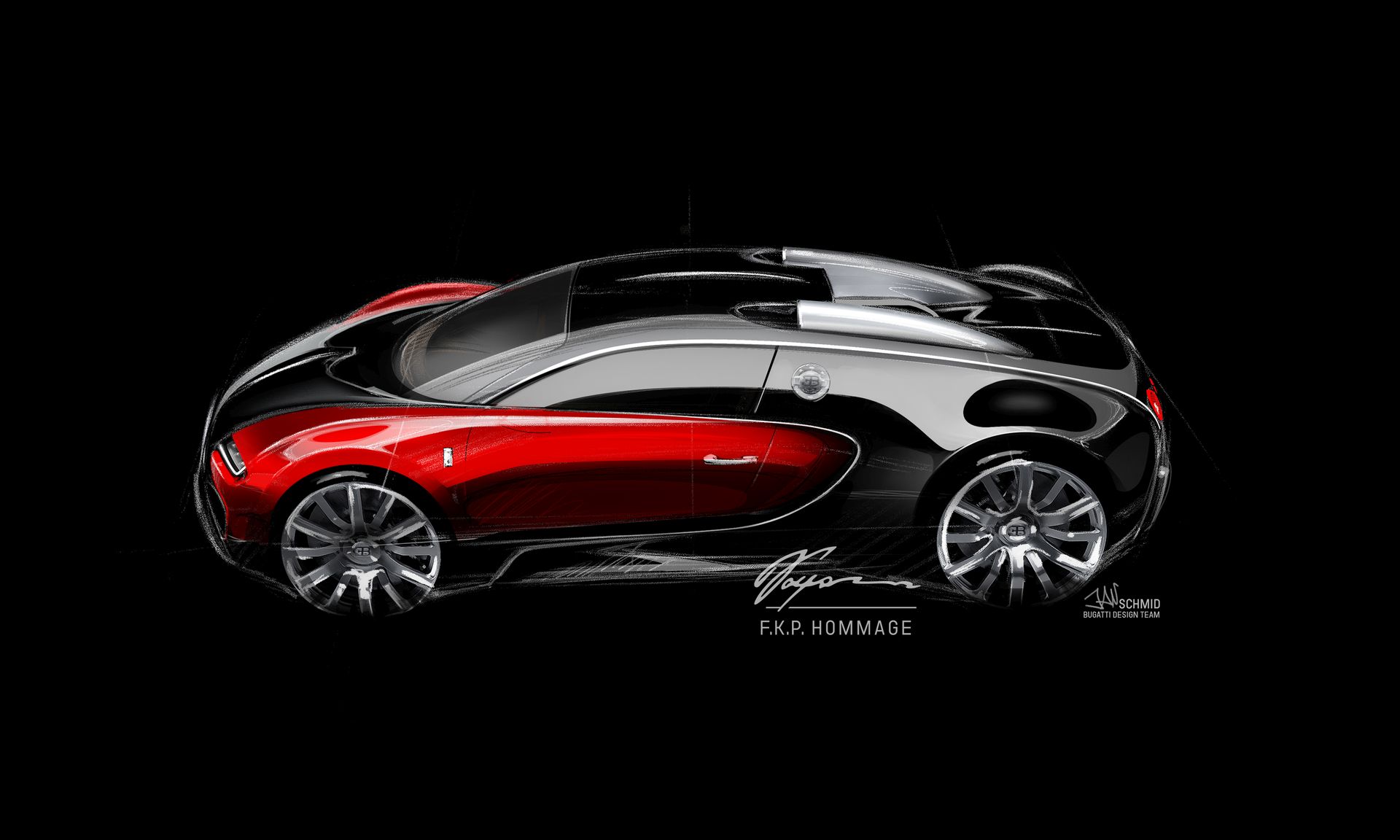
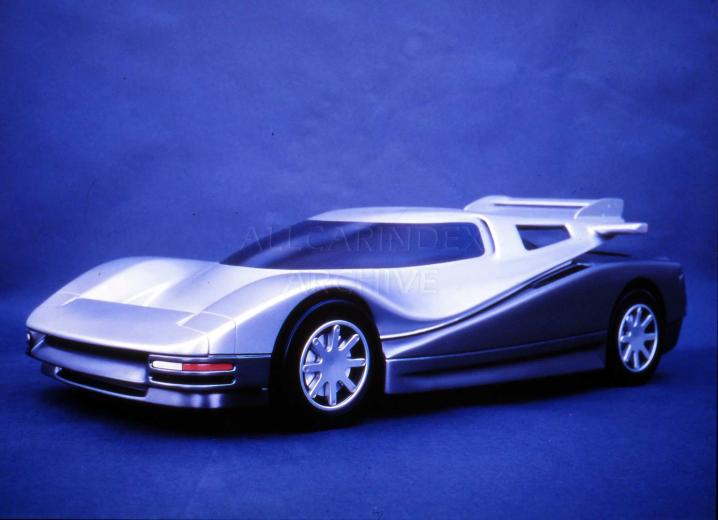
When the Veyron debuted in Tokyo in 1999, it defied the aggressive, forward-leaning "wedge" aesthetic that had dominated supercars since the 70s. It leaned back. It was composed, noble, and self-assured.
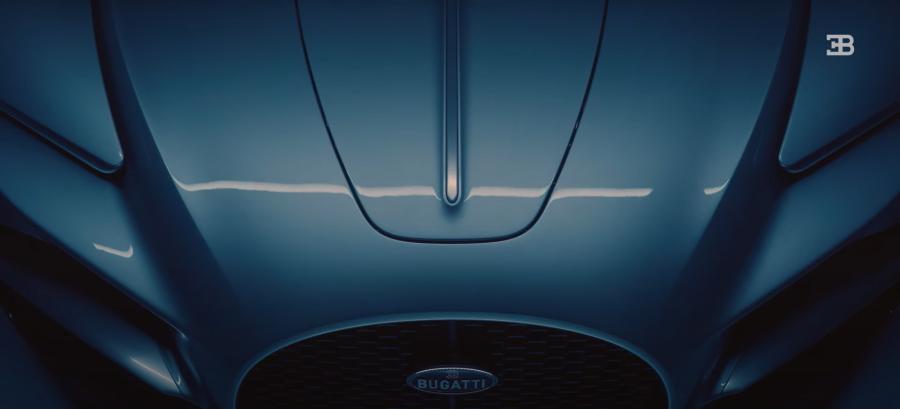
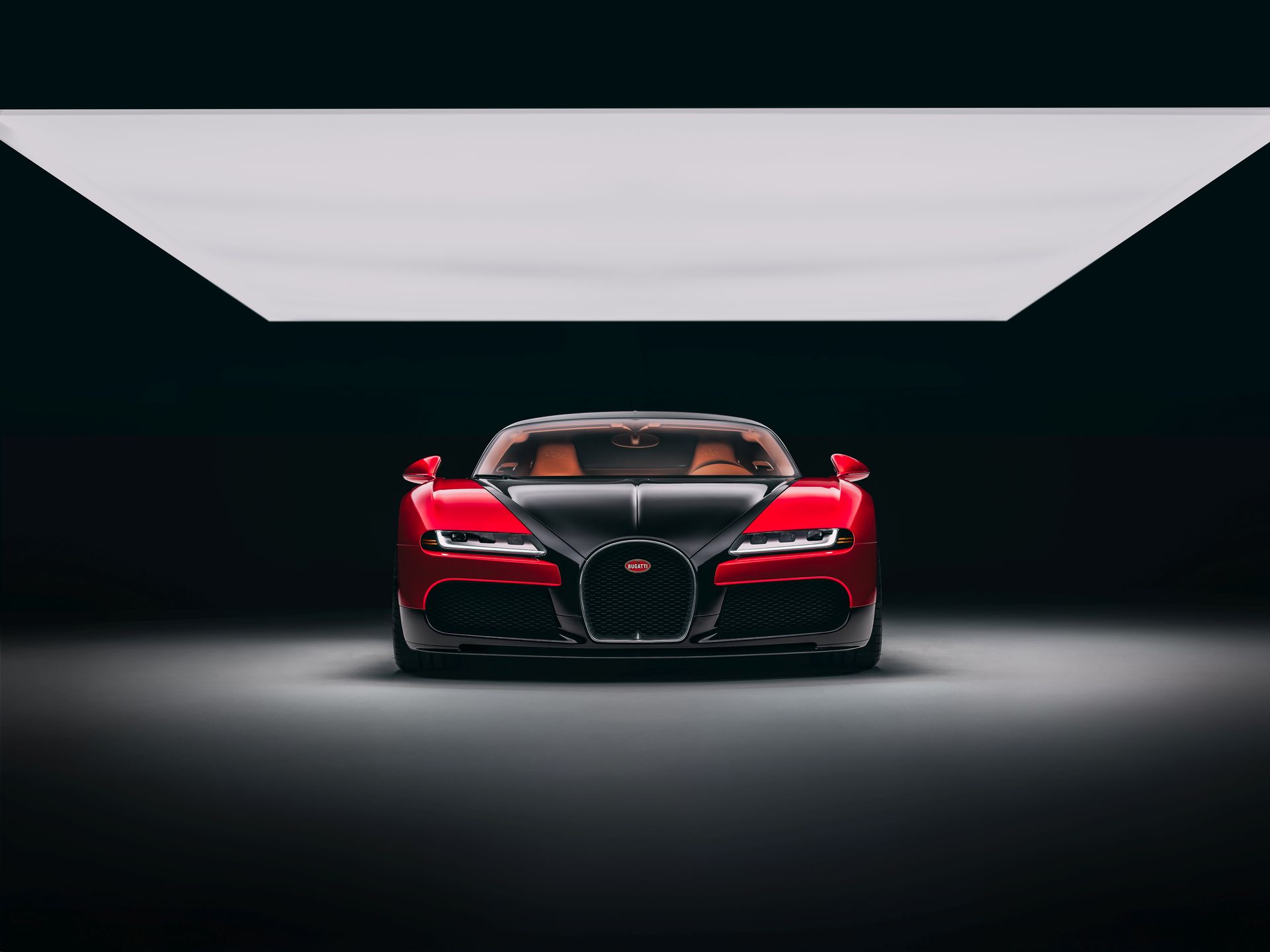
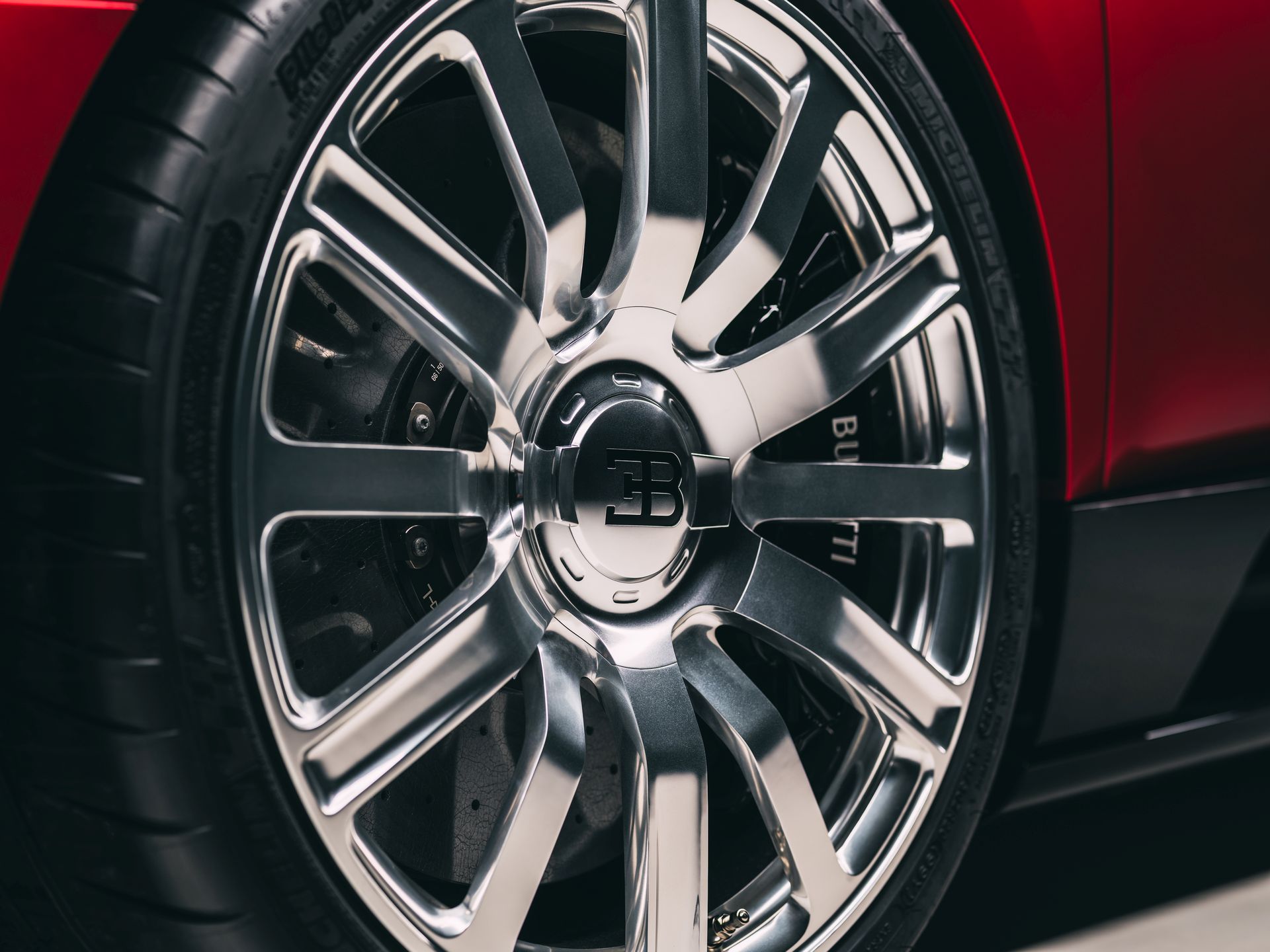
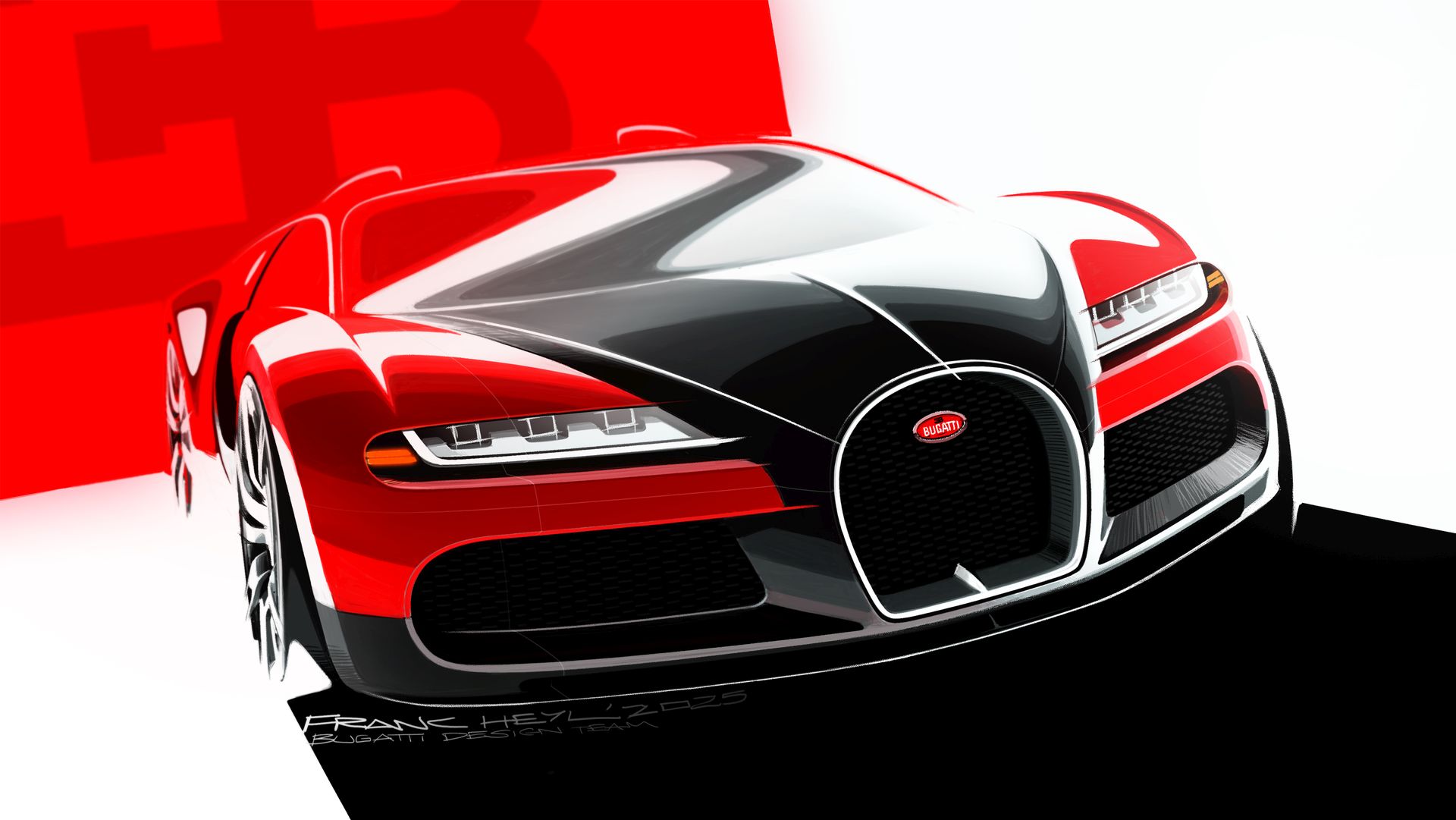
The F.K.P. Hommage honors this "leaning-back" posture. However, the refinement here is surgical. The iconic horseshoe grille is no longer a separate element but is machined from a solid block of aluminum, flowing organically into the bodywork.
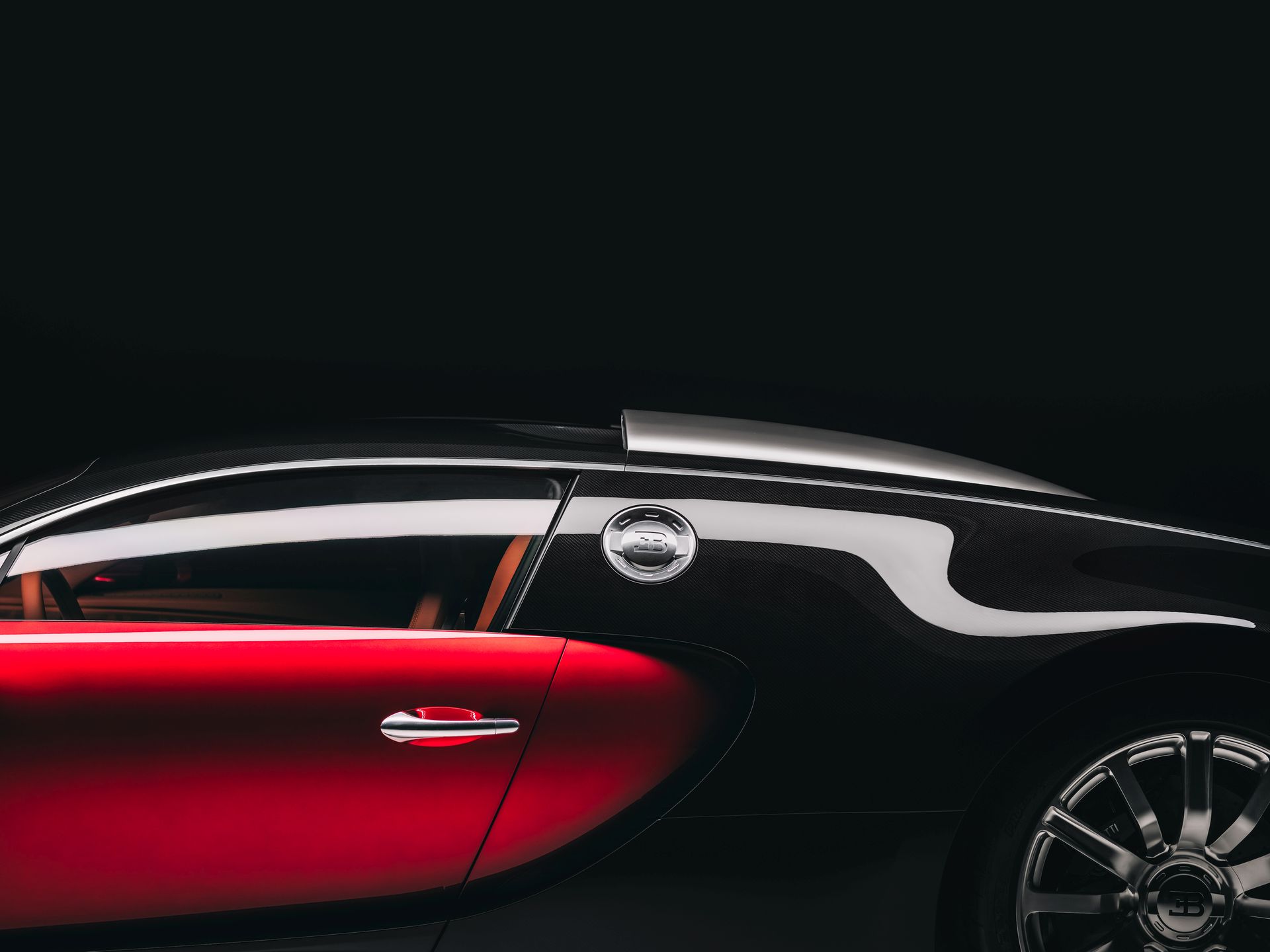
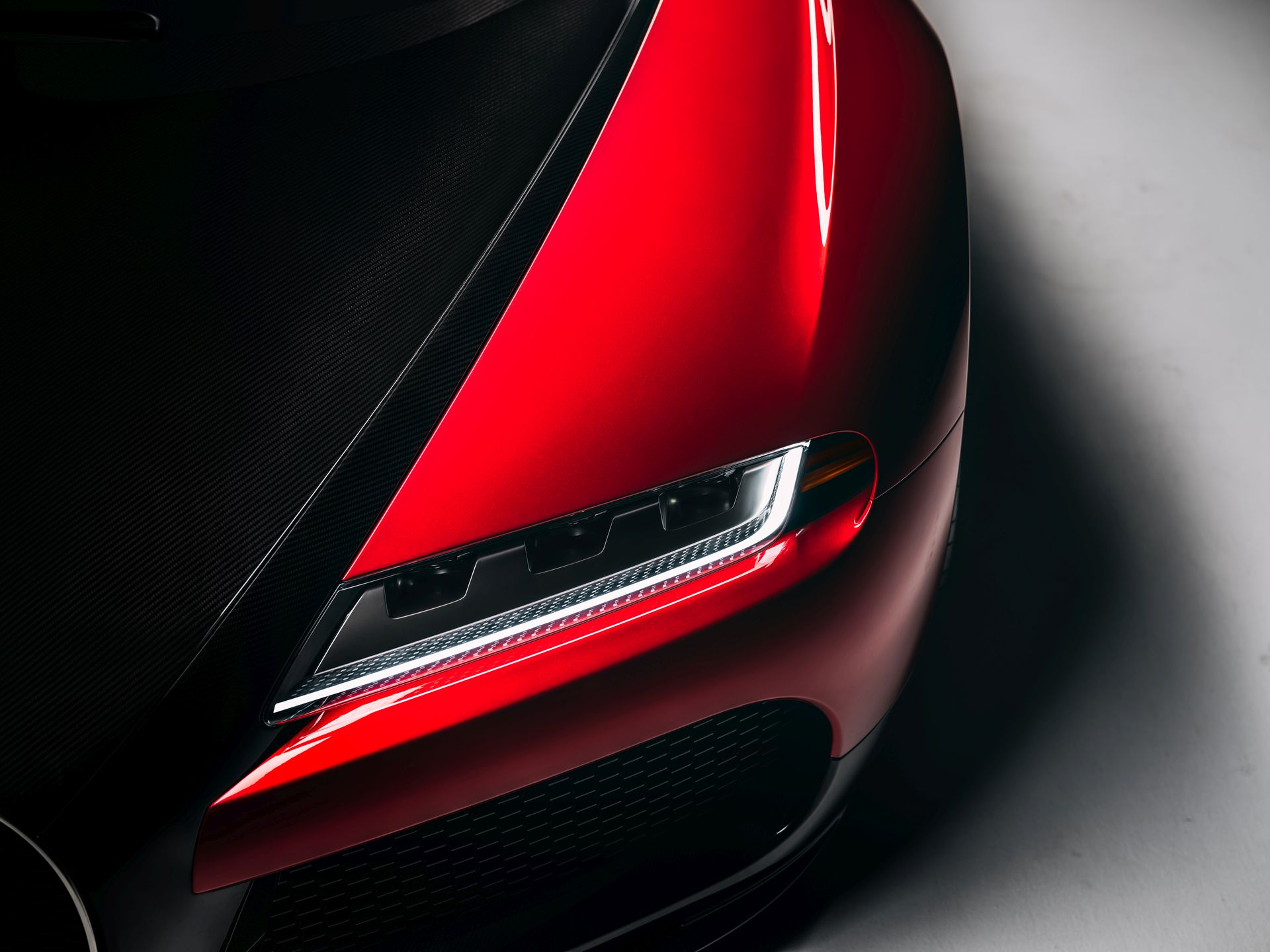
The paintwork, too, is a masterclass in modern chemistry. Bugatti utilized a silver aluminum base coat beneath a red-tinted clear coat. The result is a finish that doesn't just sit on the surface; it has a three-dimensional depth that shifts as you move around the car’s curves.
The Interior: Horological Integration
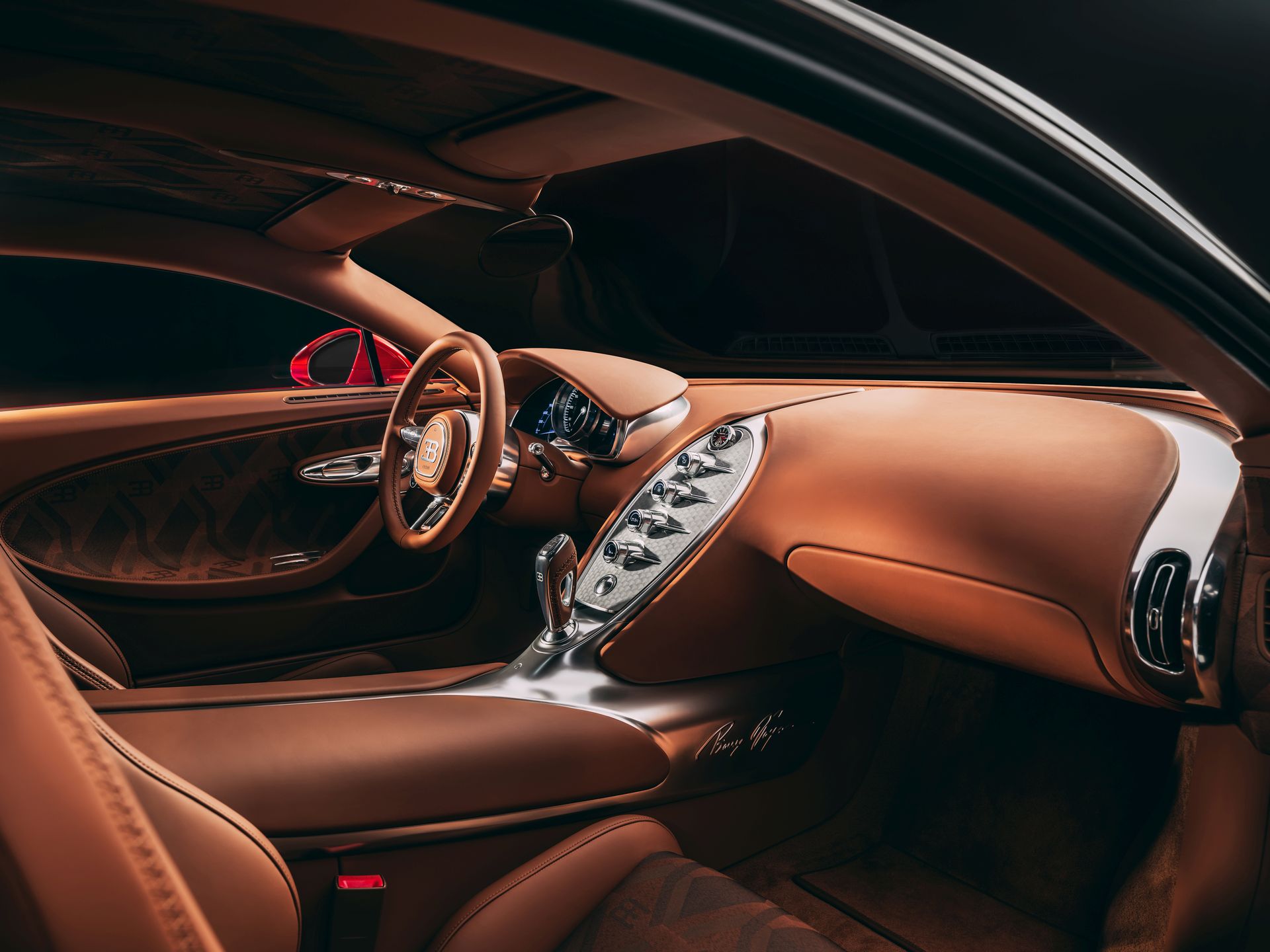
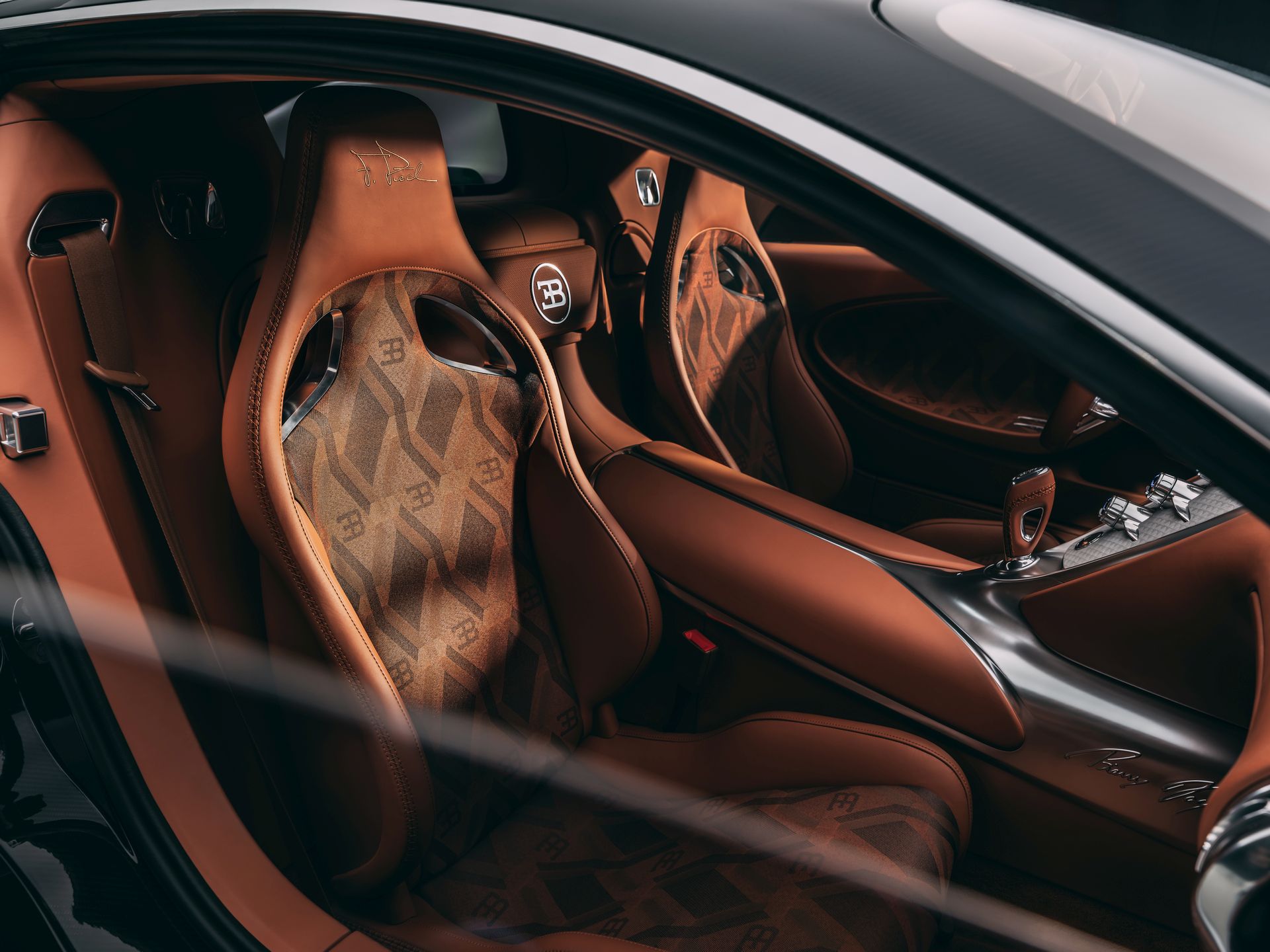
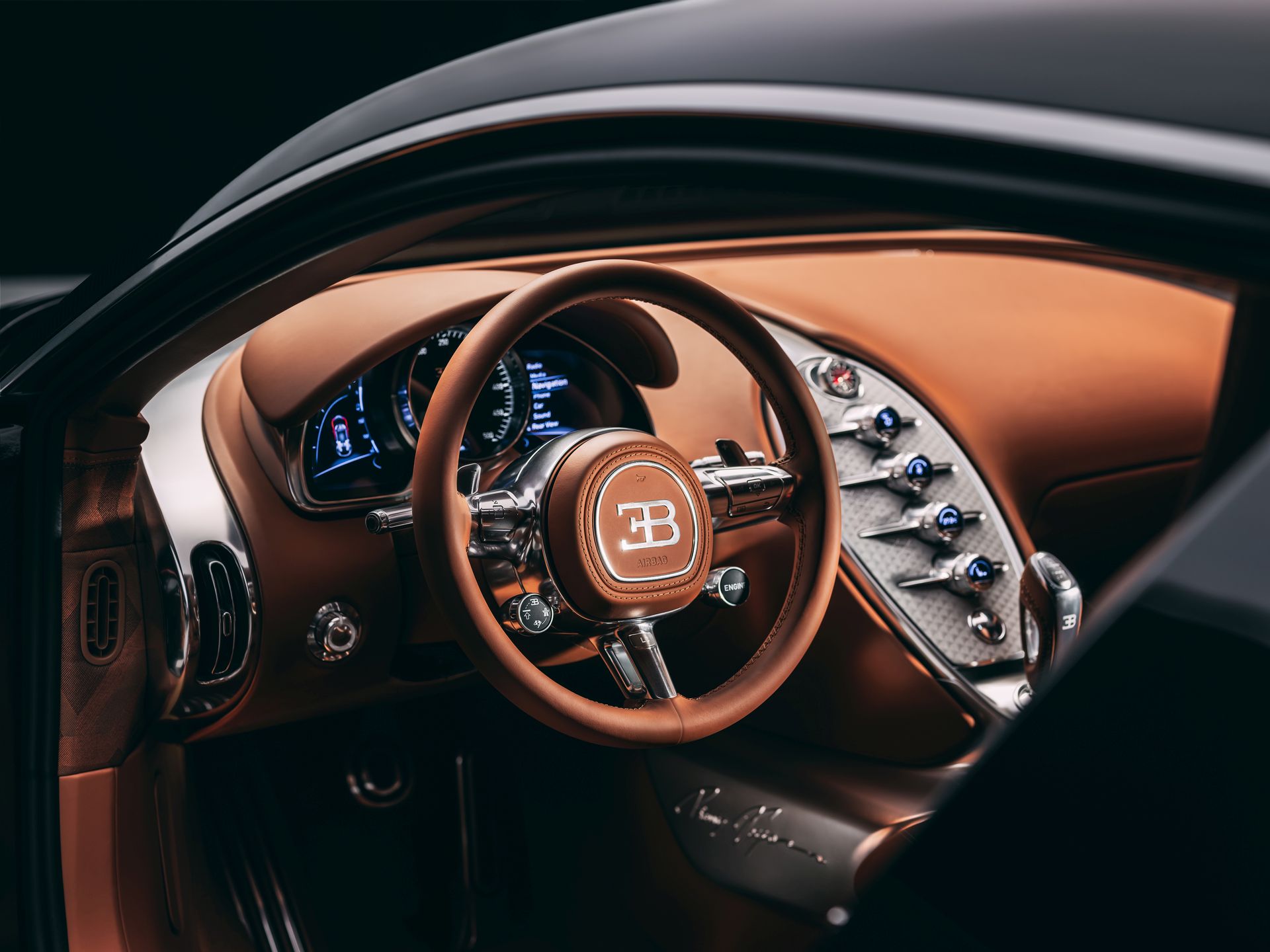
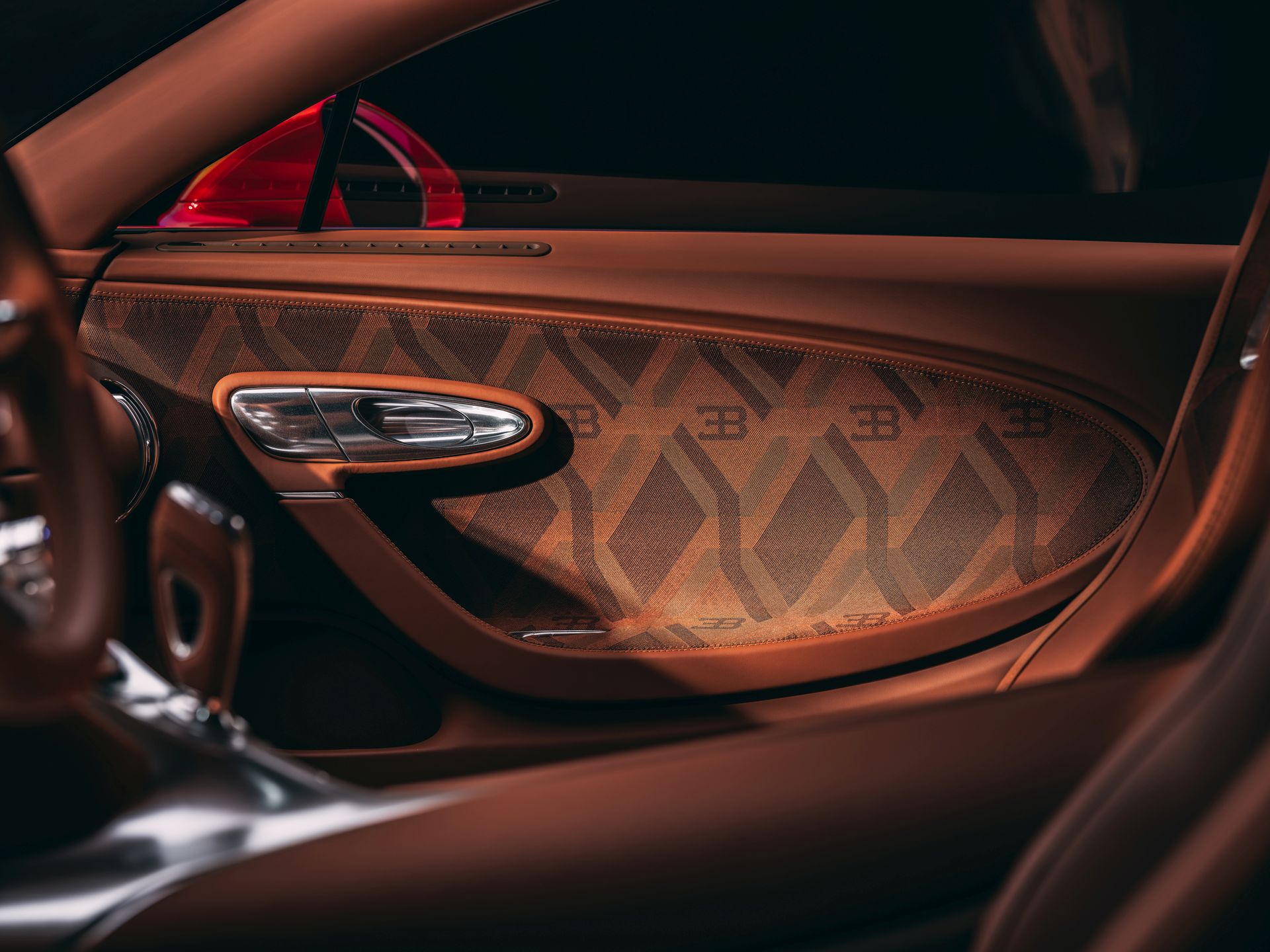
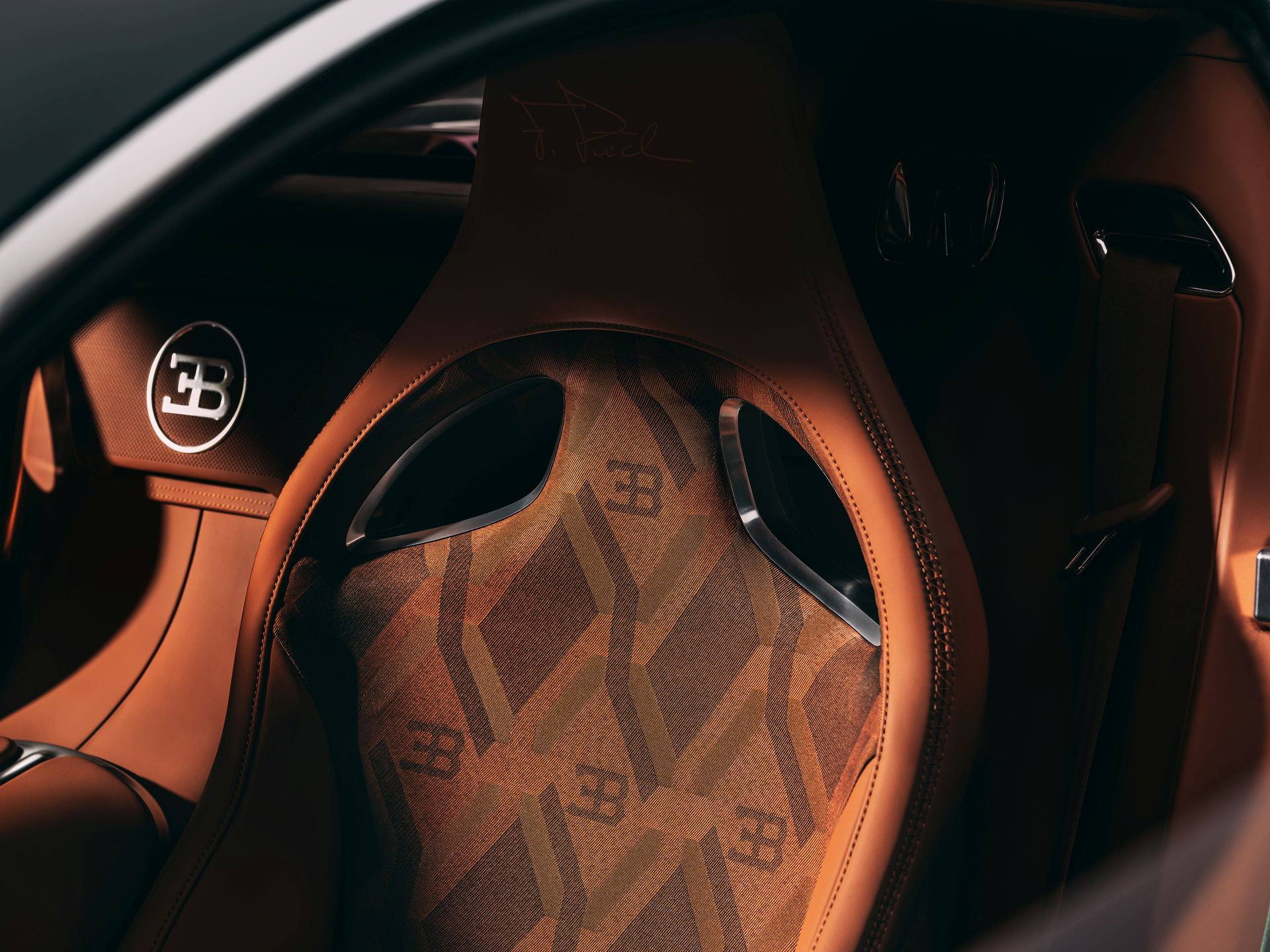
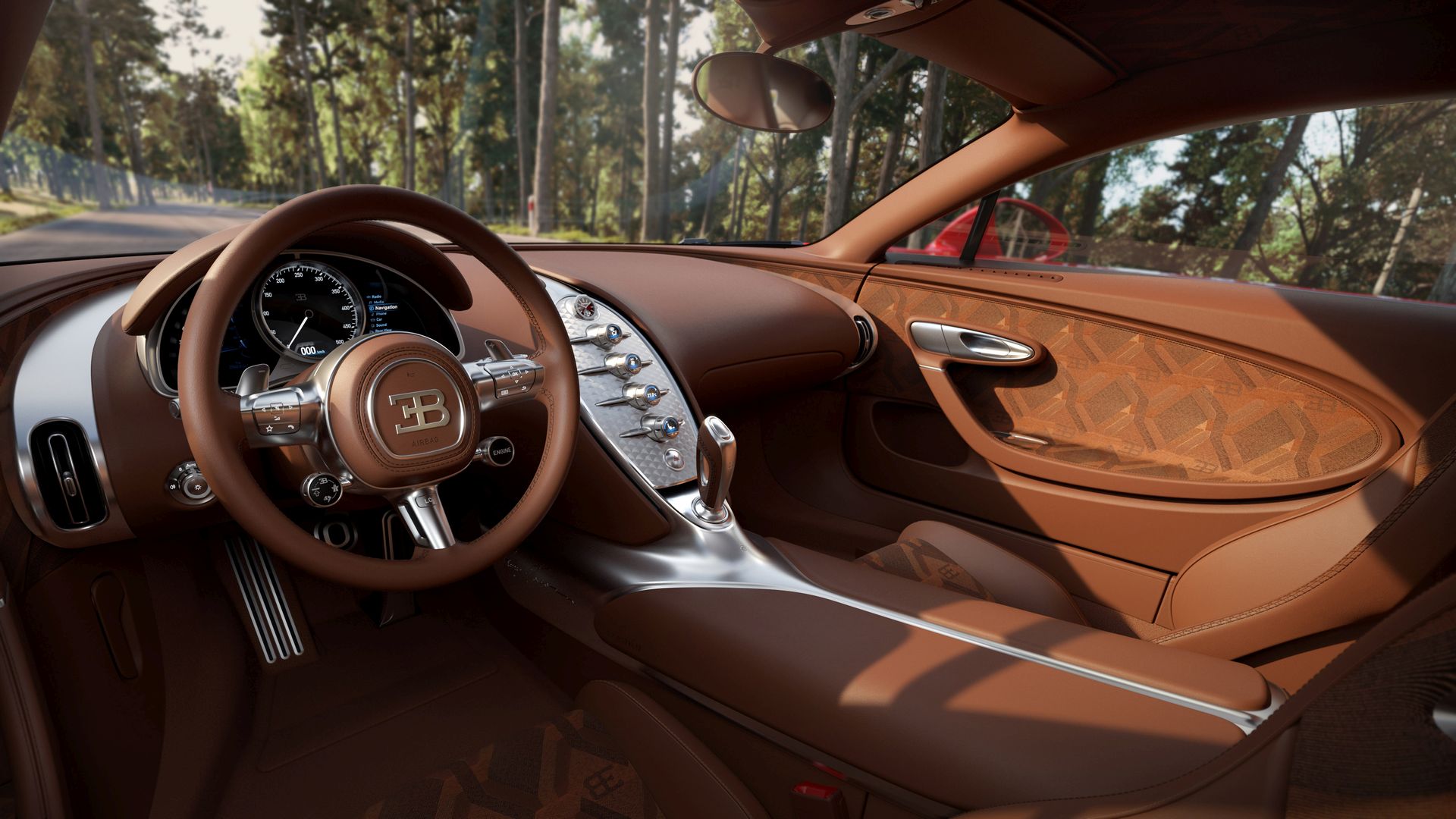
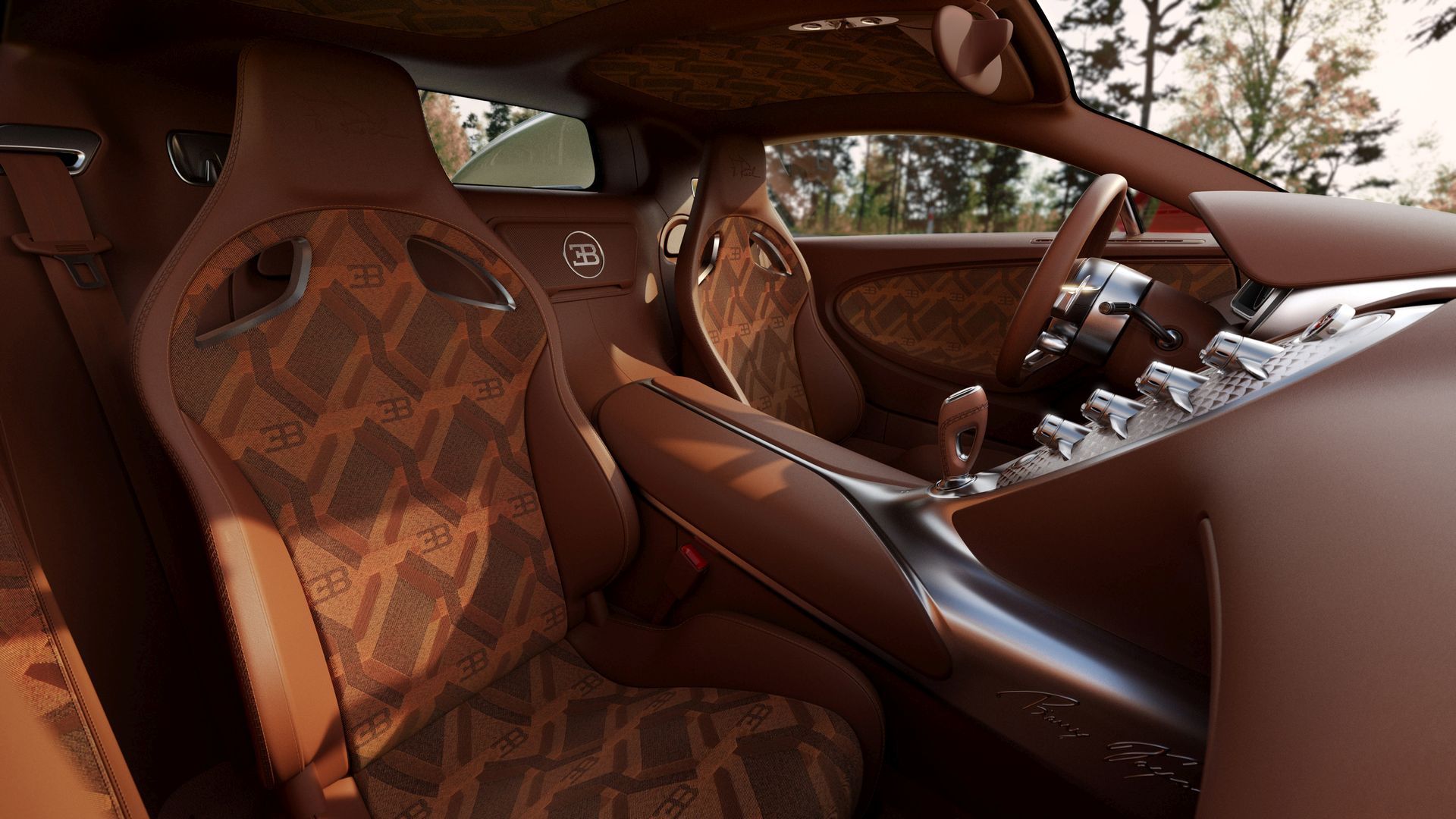
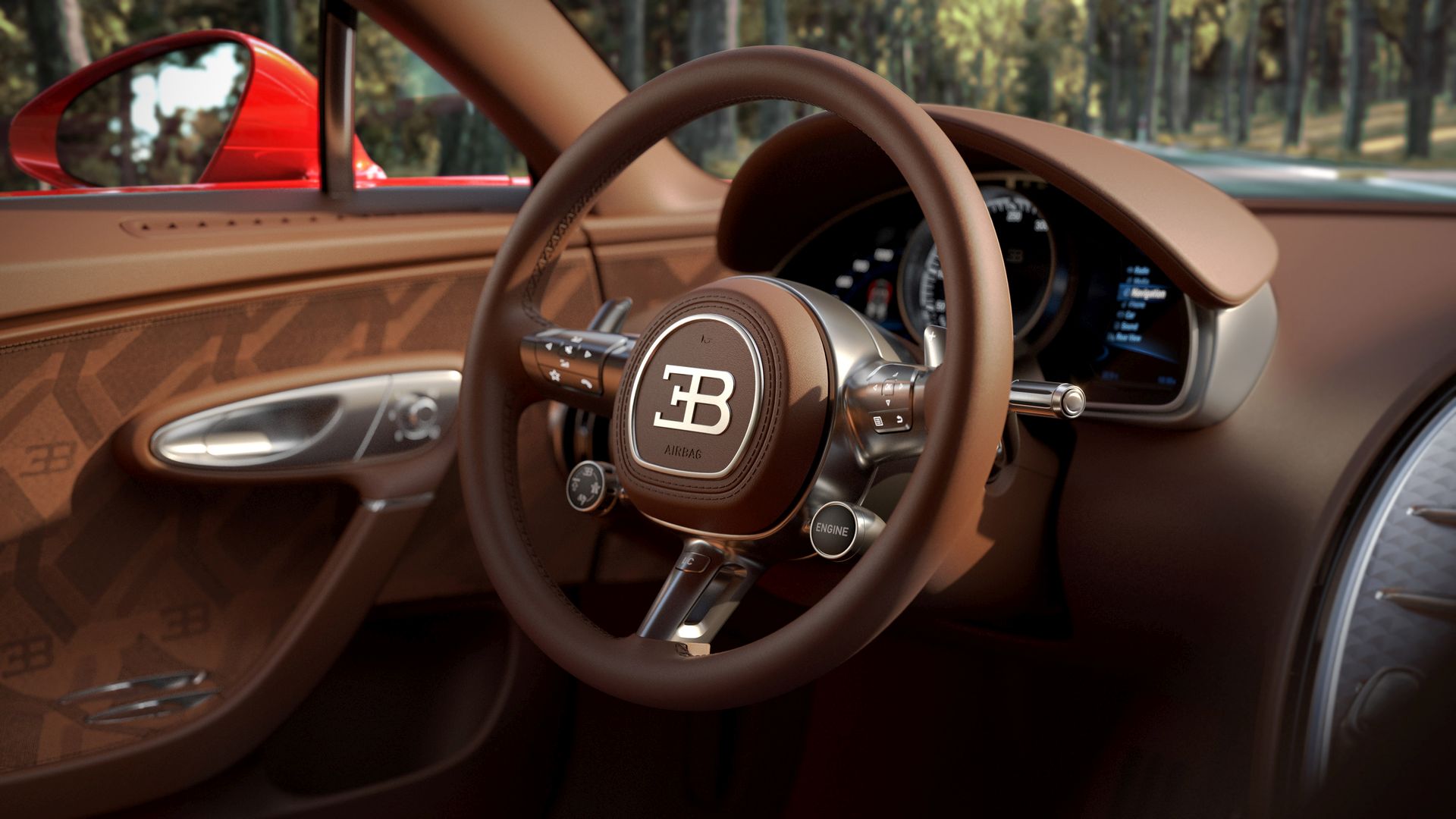
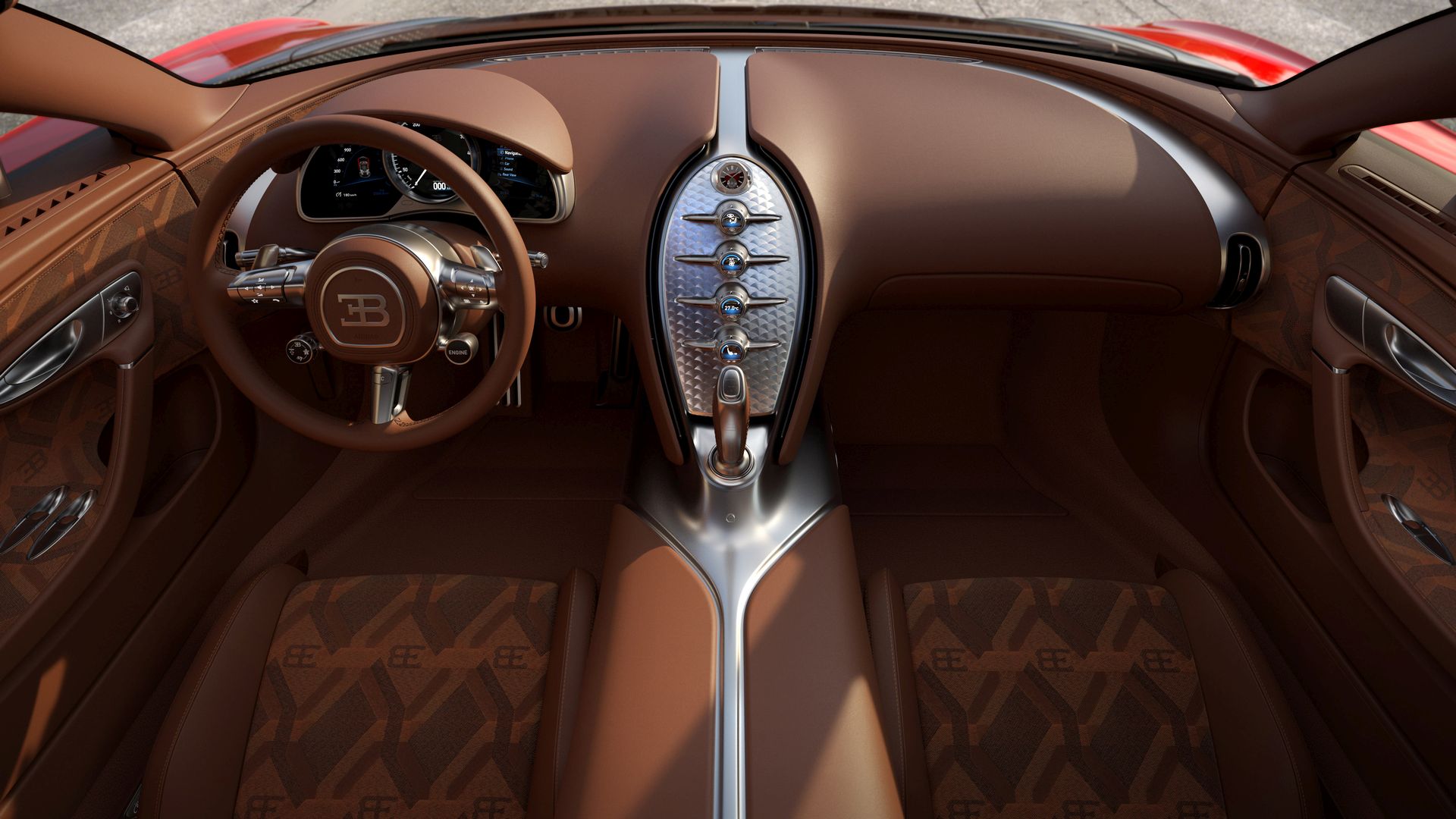
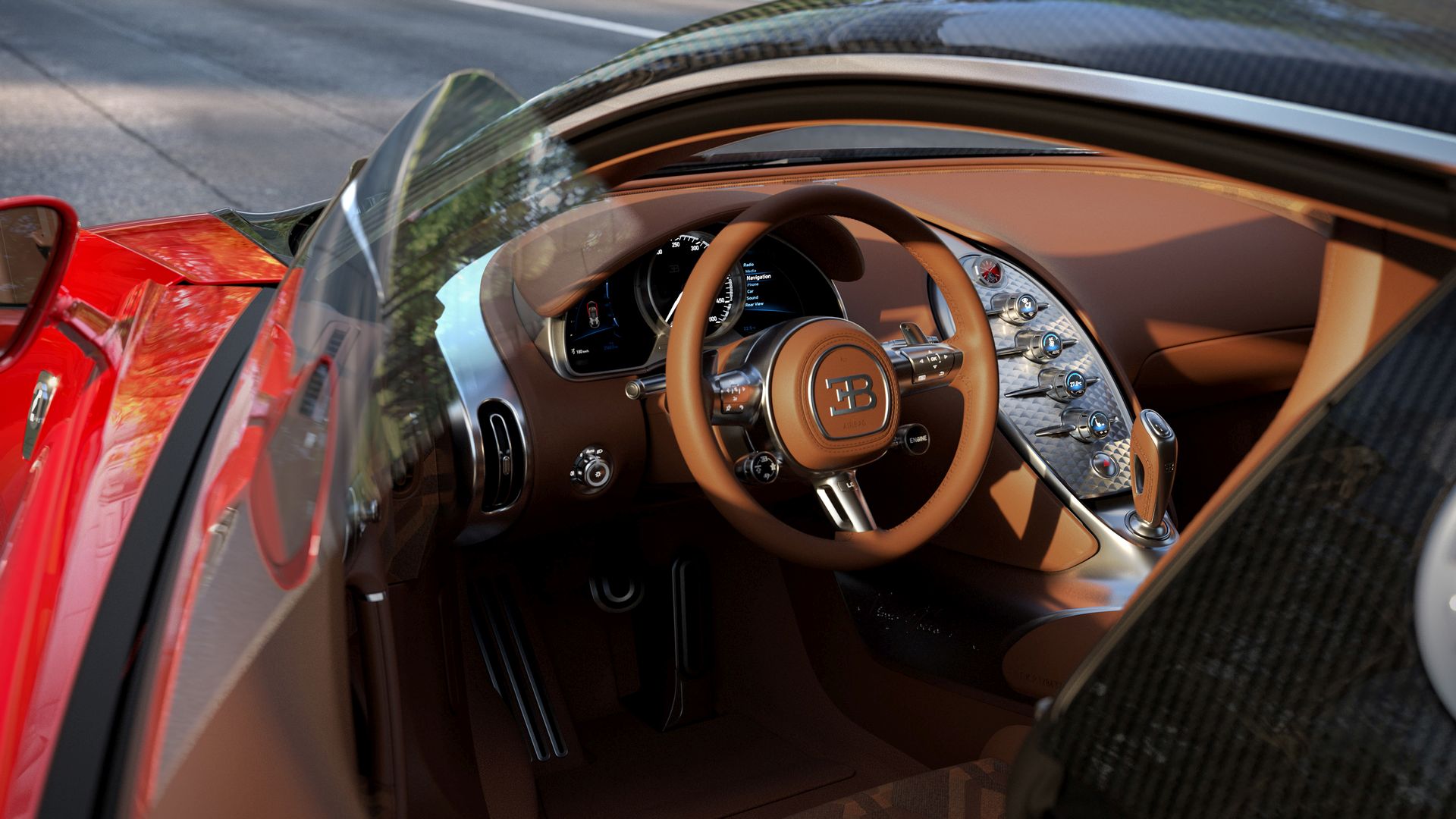
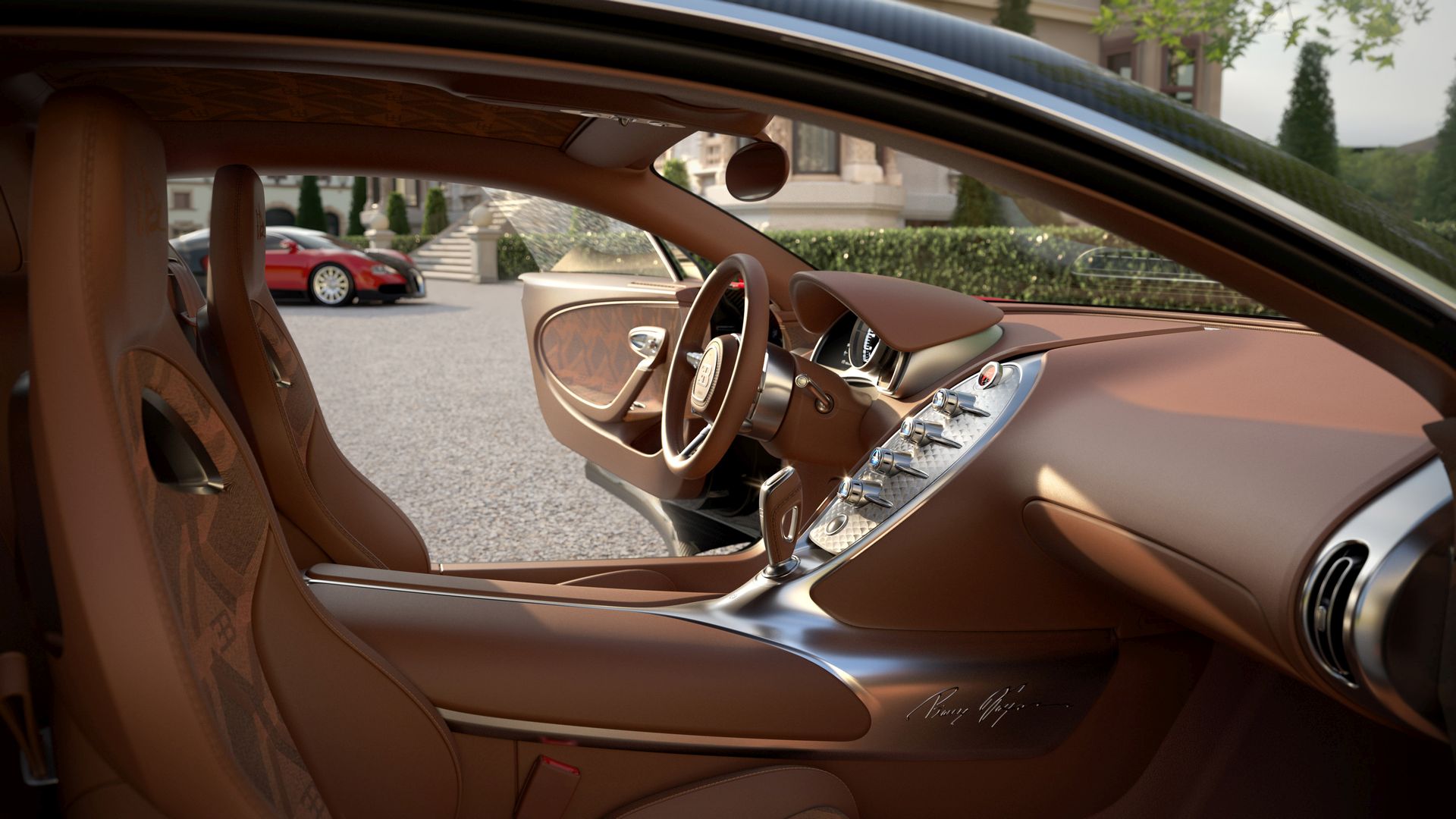
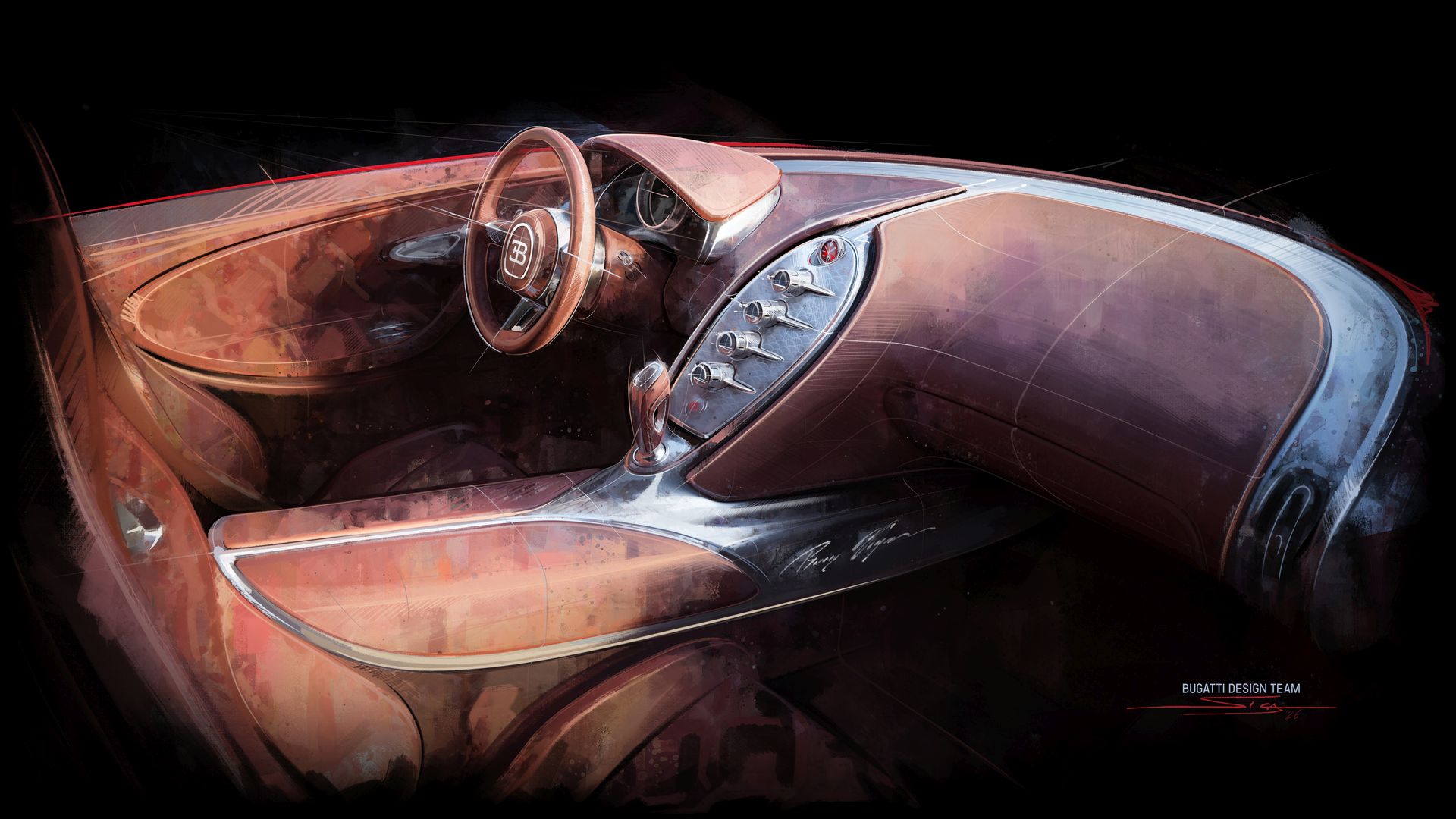
While the exterior is a nod to the past, the cabin is a complete revolution. Moving away from the leather-heavy interiors of the standard Chiron, the F.K.P. Hommage introduces Custom Car Couture fabrics woven in Paris.
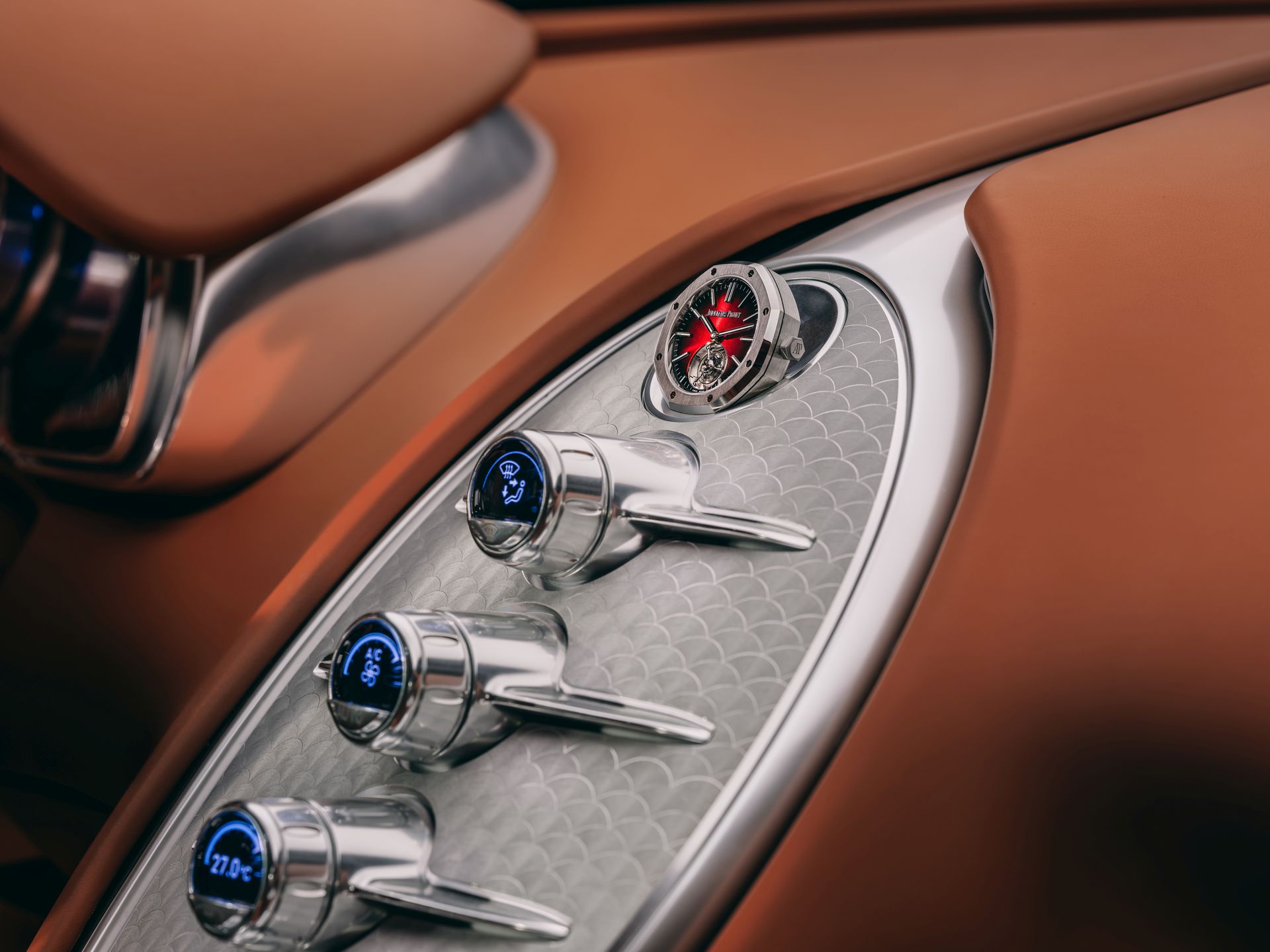
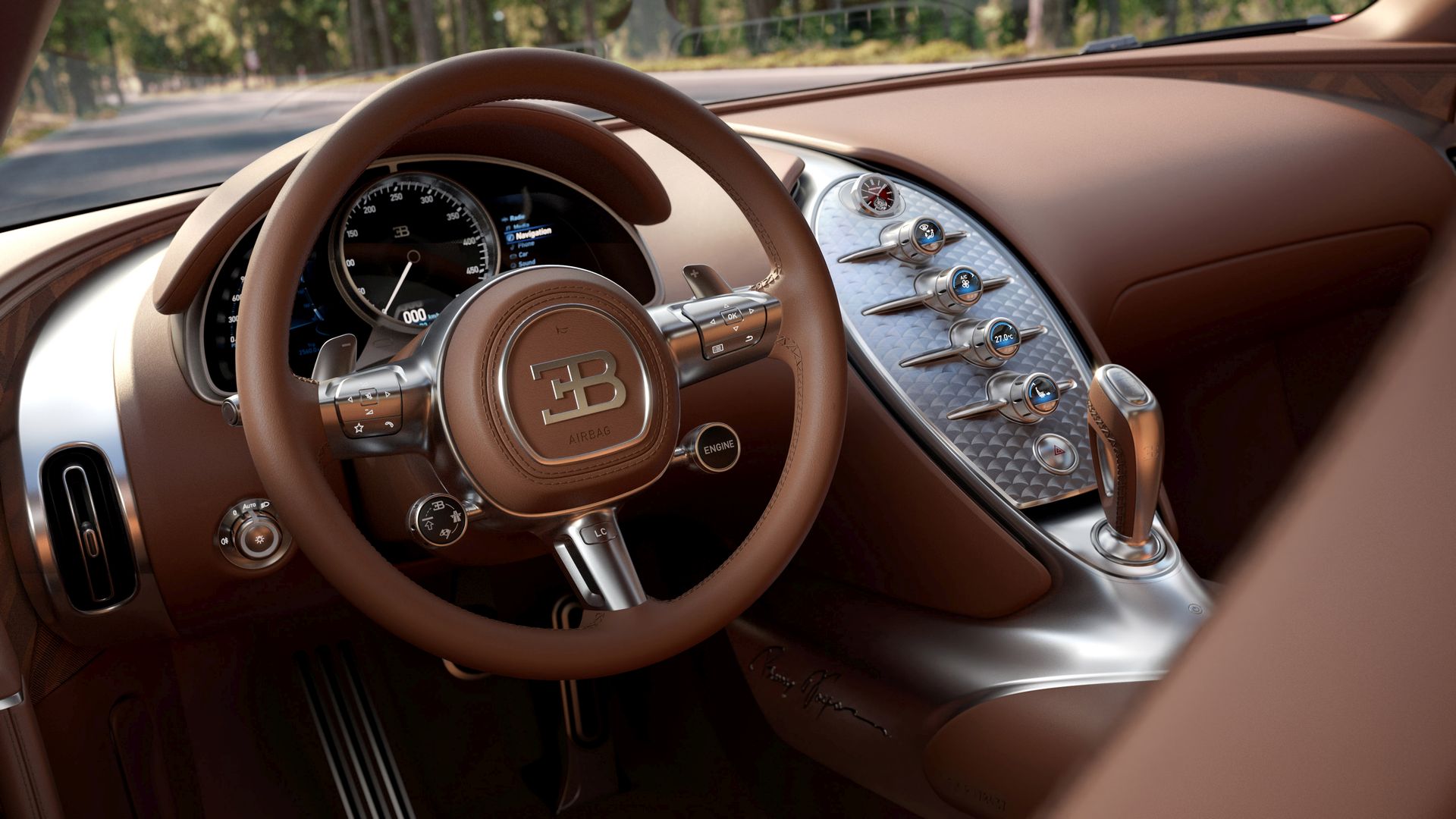
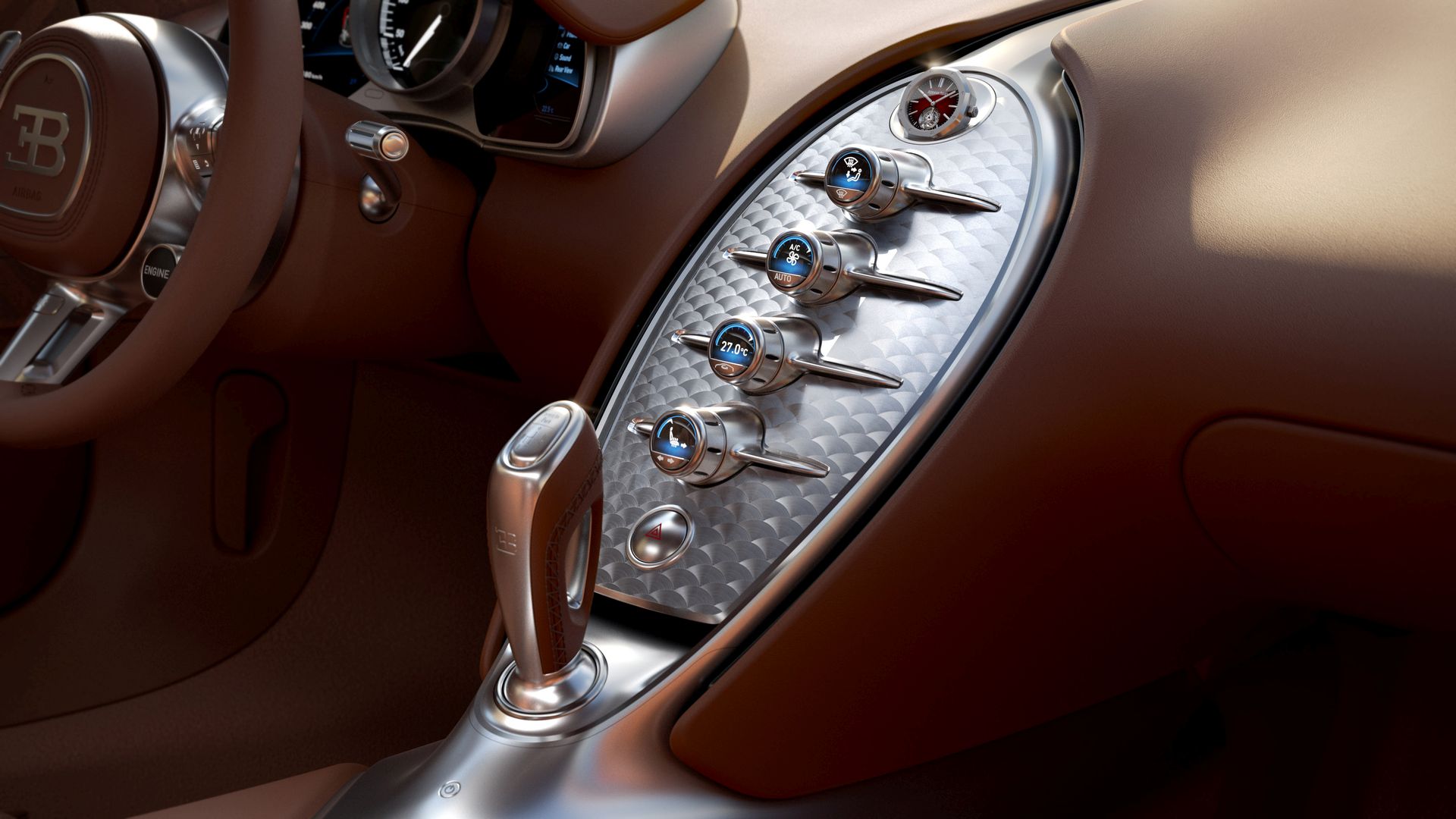
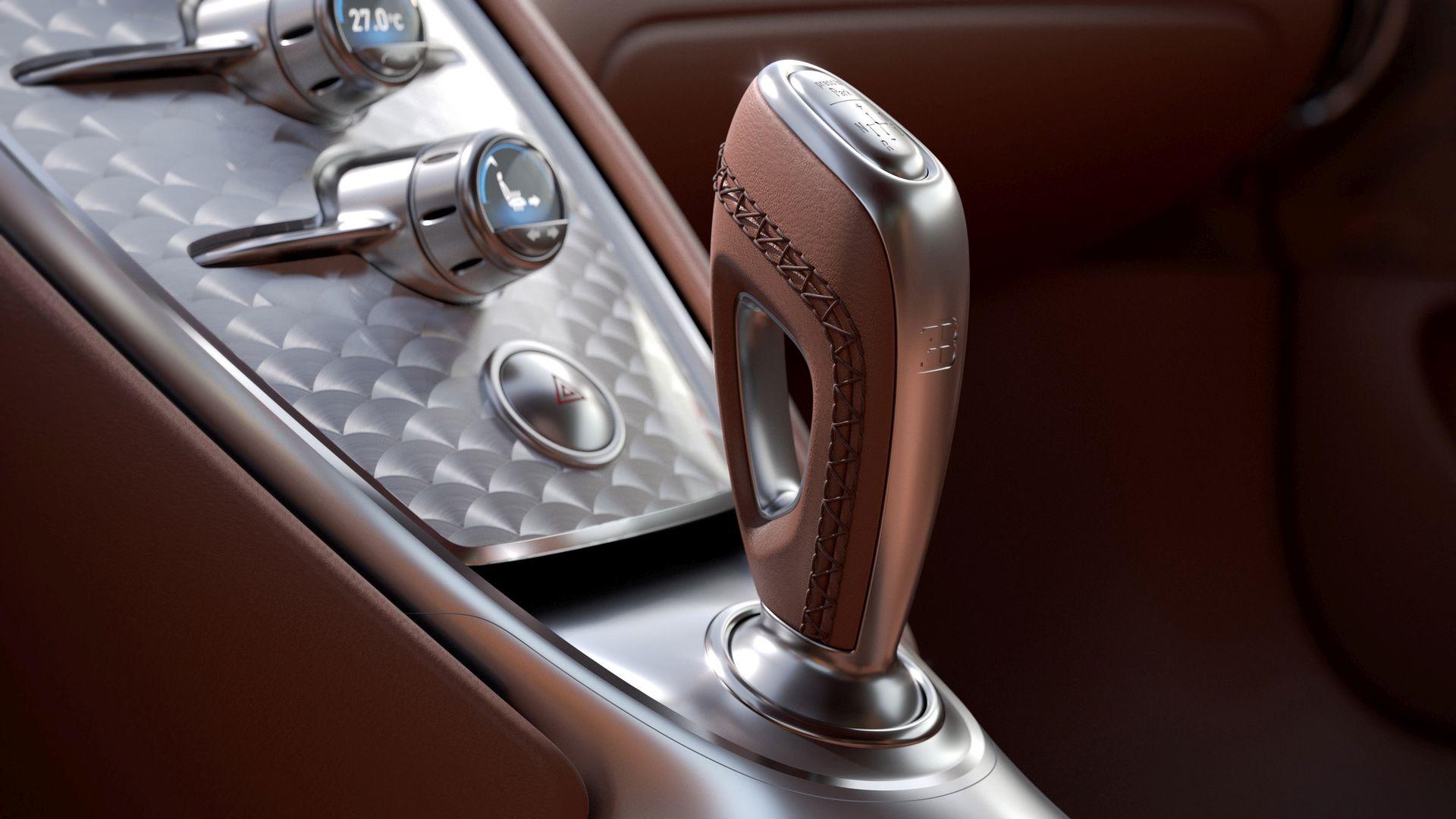
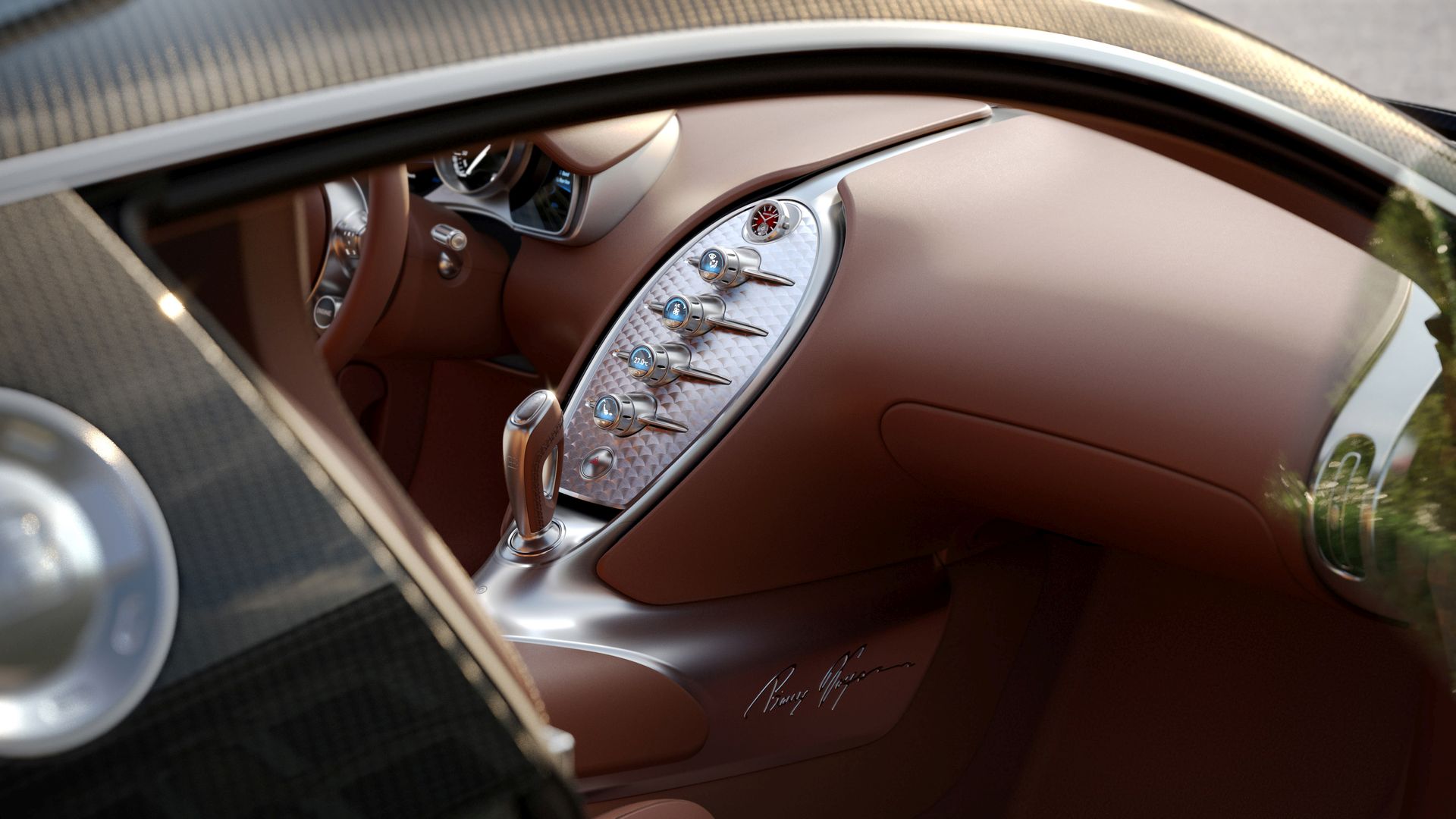
But the undisputed centerpiece is the dashboard. Integrated into a hand-polished "engine-turned" island—a finish used by Ettore Bugatti himself—sits a 41mm Audemars Piguet Royal Oak Tourbillon.
This isn't a mere clock stuck in a dash. It features a bespoke self-winding mechanism: a gondola that rotates on a diagonal axis multiple times per hour, powered entirely by the kinetic energy of the car. No wires, no batteries—just pure mechanical synergy between the car and the timepiece.
The Solitaire Standard
As part of Programme Solitaire, Bugatti produces only two such bespoke creations a year. Like its predecessor, Brouillard, the F.K.P. Hommage represents the absolute ceiling of what "bespoke" means in 2026. It is a bridge between the analog dreams of Ferdinand Piëch and the hyper-digital performance of the modern era.
Where to see it: For those heading to Paris, the F.K.P. Hommage will make its physical debut at the Ultimate Supercar Garage during Rétromobile Paris (January 29 – February 1, 2026).